
Professional Grade Serum for Home Use: A 2026 Guide
Table of Contents
- What Makes a Serum Professional Grade
- Medical Grade Skincare Benefits and How They Work
- How to Choose a Serum for Sensitive Skin
- Key Active Ingredients in Professional Grade Serums
- How to Incorporate Professional Serums Into Daily Routine
- Safety, Results Timeline, and Home-Use Contraindications
- Professional Grade vs. Over-the-Counter: What You're Actually Paying For
Last Updated: August 24, 2026
What Makes a Serum Professional Grade
A professional grade serum is a concentrated skincare product formulated with higher concentrations of active ingredients than over-the-counter alternatives, designed to deliver measurable results for specific skin concerns. Professional-grade serums contain active ingredients at therapeutic concentrations calibrated to produce visible clinical efficacy, with molecular weight, pH balance, and bioavailability engineered for effective dermal penetration.
Professional serums undergo testing protocols that measure clinical outcomes: cellular turnover rates, collagen synthesis stimulation, and barrier function restoration. At E'yn Skincare, we've applied these professional standards to create serums for home use. The E'yn Veil No. 2 Hydrating + Barrier Repair Serum combines hyaluronic acid with peptide complexes to visibly plump skin while rebuilding your natural moisture barrier, results typically expected from professional treatments, delivered through a formula you can use daily at home.
Medical Grade Skincare Benefits and How They Work
Medical-grade skincare works at the cellular level, triggering measurable changes in skin architecture and function. The primary benefit is barrier function restoration. Your skin's natural moisture barrier degrades over time through sun exposure, harsh climate, and stripping products. Professional-grade serums with hyaluronic acid and peptide complexes actively rebuild this barrier, reducing transepidermal water loss and creating lasting hydration.
A second major benefit is accelerated cellular turnover. Professional formulations often include resurfacing agents or ingredients that stimulate collagen synthesis, so your skin is actually building new collagen and elastin fibers rather than just looking temporarily smoother.
Antioxidant stability is another clinical advantage. Professional-grade versions use stabilized forms of antioxidants like L-ascorbic acid that maintain their oxidative stress-fighting power throughout the product's shelf life, unlike over-the-counter serums that degrade rapidly.
For individuals with sensitivity, medical-grade serums are formulated with non-comedogenic standards and carefully controlled pH to avoid triggering inflammation, working with your skin rather than against it.
How to Choose a Serum for Sensitive Skin
Choosing a serum for sensitive skin requires identifying your specific triggers and matching them against the serum's formulation profile. Determine whether your sensitivity stems from a compromised barrier, reactive inflammation, or ingredient intolerance.
For barrier-compromised skin, prioritize serums with barrier-repair ingredients like hyaluronic acid, ceramides, and peptide complexes. Avoid high concentrations of exfoliating acids or strong retinoids until your barrier has recovered. The E'yn Veil No. 2 is specifically formulated to calm sensitivity while delivering hydration, so you're not choosing between comfort and results.
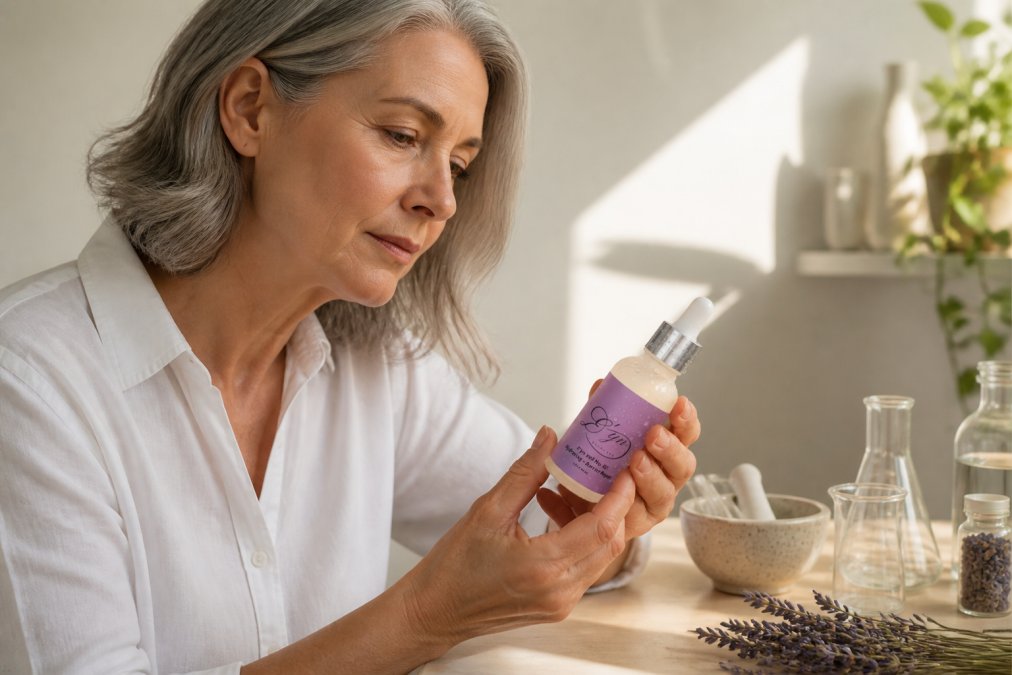
Patch testing is non-negotiable for sensitive skin. Apply a small amount to your inner arm or behind your ear and wait 24-48 hours before introducing it to your face. Pay attention to the serum's pH balance. Professional-grade formulations typically maintain a pH between 4.5-5.5, which aligns with your skin's natural acidic mantle. For sensitive skin, simpler formulations work better, a serum with 2-3 well-chosen actives at optimal concentrations will outperform one packed with 10 ingredients at lower doses.
Key Active Ingredients in Professional Grade Serums
Understanding active ingredients in professional-grade serums helps you decode marketing claims and make informed choices.
Hyaluronic acid is the foundation of most professional hydrating serums. This humectant can hold up to 1000 times its weight in water, drawing moisture into the skin and plumping it from within. Professional-grade serums use stabilized, multi-weight hyaluronic acid molecules for both surface hydration and deeper dermal penetration.
L-ascorbic acid (vitamin C) is a powerhouse antioxidant that stimulates collagen synthesis and brightens skin tone. Professional-grade serums stabilize it through pH buffering or encapsulation, maintaining potency throughout the product's shelf life.
Peptide complexes are amino acid chains that signal your skin to increase collagen and elastin production. Professional formulations use specific peptide sequences chosen for their ability to trigger cellular rejuvenation, often showing visible skin plumping within the first week.
Retinoids drive cellular turnover and collagen synthesis. Professional-grade retinoid serums use stabilized forms and precise concentrations that deliver results without the irritation common to consumer-grade retinol products.
Niacinamide (vitamin B3) regulates sebum production, strengthens the skin barrier, and reduces inflammation. Professional serums often use 4-5% niacinamide, the concentration shown in clinical studies to produce measurable benefits.
The real distinction in professional-grade formulations is the concentration, stability, and synergistic combination. A professional serum might use the same ingredient names as a drugstore product, but at 3-5 times the concentration, in a pH-optimized base, with stabilization technology that preserves potency.
How to Incorporate Professional Serums Into Daily Routine
Incorporating a professional-grade serum into your routine requires understanding application sequence and layering principles. Serums work best when applied to clean, slightly damp skin, as moisture helps active ingredients penetrate more effectively while reducing irritation risk.
Start with a gentle cleanser appropriate for your skin type. Wait 30-60 seconds after cleansing; your skin should feel damp but not dripping wet. Apply 2-3 drops of professional-grade serum to your fingertips and press gently across your face, neck, and décolletage. Press the serum into your skin using gentle tapping motions, allowing it to absorb fully before moving to the next step, typically 1-2 minutes.
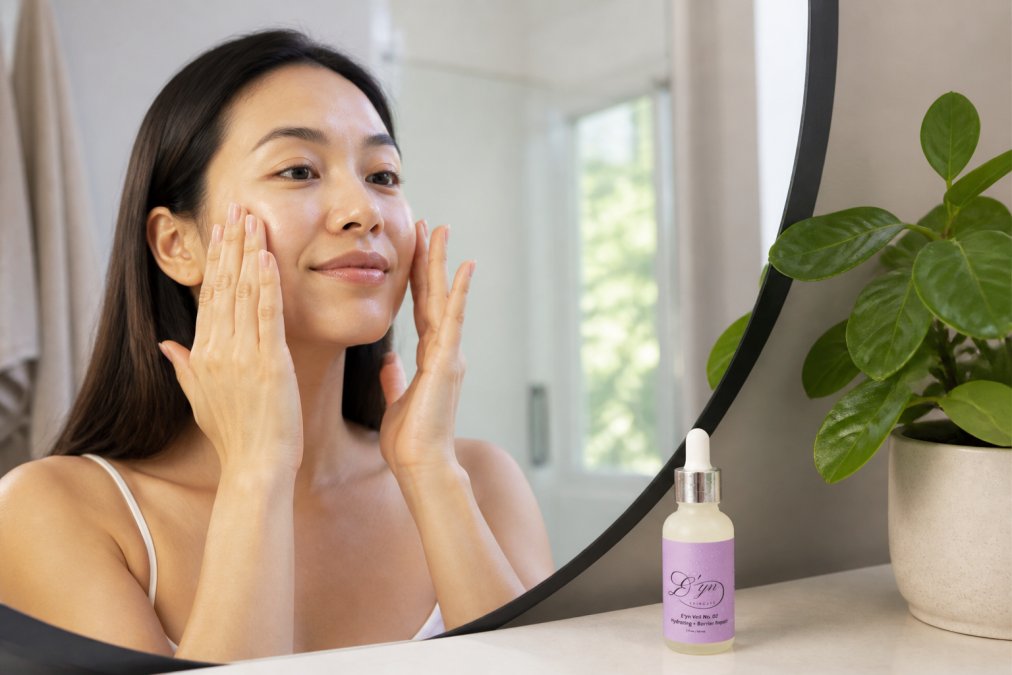
The rule for layering is simple: apply products in order of thinnest to thickest consistency. After your serum absorbs, apply any targeted treatments, then your moisturizer. Most professional-grade serums are designed for daily use, either morning or night. If you're new to professional serums, start with once-daily application and increase frequency after 2-3 weeks if your skin tolerates it well.
Stagger professional serum application around other actives to prevent over-treating your skin. If you're using a retinoid, use your hydrating serum on alternate nights or in the morning. For the E'yn Veil No. 2, the ideal routine is: cleanse, apply the serum to damp skin, wait 1-2 minutes for absorption, then apply your regular moisturizer.
Safety, Results Timeline, and Home-Use Contraindications
Professional-grade serums are safe for home use when applied correctly, but certain situations warrant caution or avoidance.
The most critical contraindication is active barrier damage. If your skin is currently stinging, tight, or showing signs of dermatitis, introducing a professional serum can worsen the condition. Wait until your barrier has recovered (typically 1-2 weeks) before incorporating a new serum.
Certain medications and topical treatments conflict with professional serums. If you're using prescription retinoids, discuss serum compatibility with your dermatologist. Pregnancy and nursing warrant caution with certain ingredients, retinoids should be avoided during pregnancy.
Results timeline varies by serum type and your skin's starting condition. Hydrating serums like the E'yn Veil No. 2 show visible results within 3-7 days. Serums focused on collagen synthesis or cellular turnover require 4-8 weeks of consistent use before you see significant changes in fine lines or texture.
Mild redness or slight sensitivity for the first 3-5 days is often your skin adapting to active ingredients. If irritation persists beyond a week or worsens, discontinue use. Store your serum in a cool, dark place, not your bathroom shelf where heat and humidity accelerate degradation. Once opened, most professional serums have a 6-12 month shelf life.
Professional Grade vs. Over-the-Counter: What You're Actually Paying For
The price difference between professional-grade and over-the-counter serums reflects formulation precision that delivers measurable clinical results.
Over-the-counter serums prioritize tolerability over efficacy, keeping active ingredient concentrations deliberately lower to minimize irritation risk. A drugstore vitamin C serum might contain 5-8% L-ascorbic acid, while a professional-grade formula contains 15-20%. That difference is the concentration threshold where clinical studies show measurable collagen synthesis and skin brightening.
Stability and bioavailability separate professional from consumer formulas. Professional-grade serums use advanced delivery systems, encapsulation, pH buffering, or chelation, to ensure active ingredients remain stable and penetrate effectively. The research investment behind professional formulations is substantial, with clinical trials, stability testing, and efficacy studies. Professional-grade formulations source pharmaceutical-grade raw materials that meet stricter purity and potency standards.
pH precision is another hidden factor. Professional serums are formulated and tested at specific pH levels that optimize active ingredient efficacy and minimize irritation. What you're actually paying for with professional-grade serums is clinical efficacy backed by formulation science. The E'yn Veil No. 2 combines hyaluronic acid with peptide complexes in a pH-optimized base that delivers visible plumping and barrier repair within days.
Ready to experience the difference professional-grade formulation makes? The E'yn Veil No. 2 Hydrating + Barrier Repair Serum is engineered to deliver visible plumping, lasting hydration, and barrier repair without heaviness or grease. If your current routine leaves your skin feeling dehydrated or reactive, this serum rebuilds your skin's foundation while delivering immediate smoothness. Visit E'yn Skincare to explore the complete ritual and transform your complexion with professional-grade hydration designed for home use.
| Aspect | Professional Grade | Over-the-Counter |
|---|---|---|
| Active ingredient concentration | 15-20% (clinical efficacy threshold) | 5-8% (safety-first approach) |
| Stability technology | Advanced encapsulation or pH buffering | Simple formulation, rapid degradation |
| Clinical backing | Conducted in-house testing | Relies on supplier ingredient data |
| Preservative load | Lower (advanced stabilization) | Higher (compensates for instability) |
| pH precision | Tested and optimized for efficacy | Less precise, variable results |
| Bioavailability | Engineered for dermal penetration | Standard formulation |
| Results timeline | Visible within 3-7 days | 2-4 weeks or longer |
| Price point | $25-60 per bottle | $8-15 per bottle |
Frequently Asked Questions
I've got really sensitive skin that reacts to almost everything, how do I know E'yn won't irritate me like other professional-grade serums have?
Professional-grade doesn't mean harsh. The E'yn Veil No. 2 is specifically formulated for sensitive skin, calming inflammation while delivering hydration. Start with patch testing on your inner arm for 24-48 hours, then introduce it gradually. Most people with sensitive skin find it soothing, not irritating.
My skin is already pretty oily, so I'm worried a hydration serum is just going to make me look shiny and greasy by midday. Will this actually work for my skin type?
Oily skin needs hydration just as much as dry skin. The E'yn Veil No. 2 uses lightweight hyaluronic acid that hydrates without adding oil or grease. When oily skin is dehydrated, it often produces more sebum to compensate. Proper hydration can actually reduce midday shine by signaling your skin that it has enough moisture.
I've spent so much money on serums that promise plumping and barrier repair but don't actually deliver. What makes E'yn different?
The difference is formulation precision. Most consumer serums contain lower concentrations of active ingredients. The E'yn Veil No. 2 uses pharmaceutical-grade standards and concentrations proven to deliver visible results. You'll notice plumping within the first week.
How long does it actually take to see results?
Hydrating serums show visible results fastest; most people notice plumper, smoother-looking skin within 3-7 days. Barrier repair benefits continue to build over 2-4 weeks. For serums targeting collagen synthesis or cellular turnover, expect 4-8 weeks for significant changes in fine lines or texture.
I have a really compromised barrier right now, it's tight, stinging, the whole thing. Can this serum actually repair that, or is it more of a maintenance product for healthy skin?
The E'yn Veil No. 2 is specifically designed for barrier repair. However, if your barrier is actively stinging or showing signs of dermatitis, wait 1-2 weeks before introducing any new serum. Once the acute irritation settles, the barrier-repair formula will accelerate healing and restore your skin's protective function.
EXTERNAL CITATIONS & SOURCES:
This guide draws on dermatological standards and professional skincare formulation principles. For deeper understanding of skin barrier function and active ingredient efficacy, consult the American Academy of Dermatology, which provides clinical guidance on professional skincare ingredients and their evidence-based applications. For information on pharmaceutical-grade standards and formulation stability, the FDA's cosmetic regulations and good manufacturing practices establish the benchmarks that distinguish professional-grade from consumer products. Additionally, dermatological research on hyaluronic acid bioavailability and collagen synthesis documents the clinical efficacy of key professional serum ingredients used in barrier repair and skin rejuvenation.
Frequently Asked Questions
What is the difference between medical-grade and professional-grade skincare?
Medical-grade skincare meets pharmaceutical-grade standards and typically requires a prescription or professional application, while professional-grade serums are formulated with high concentrations of active ingredients but can be used safely at home. Professional-grade products deliver clinical efficacy through superior bioavailability and formulation stability without the regulatory restrictions of medical-grade products. Both offer significantly higher active ingredient concentrations than over-the-counter options, but professional-grade serums are designed specifically for independent home use.
Can you use professional-grade serums at home safely?
Yes, professional-grade serums formulated for home use are safe when applied as directed. Start with patch testing on a small area of skin to check for sensitivity, especially if you have a compromised skin barrier. Apply only the recommended amount, typically 2-3 drops, to clean, damp skin. Avoid using professional-grade serums if you're pregnant, nursing, or have active skin conditions like severe dermatitis without consulting a dermatologist first. Those with extremely sensitive skin should introduce the product gradually, using it every other day initially.
How long does it take to see results from professional-grade serums?
Most users notice visible improvements in skin hydration and texture within 1-2 weeks of consistent use. Plumping effects from hyaluronic acid and barrier repair from peptide complexes become apparent quickly because these ingredients work on the skin's surface and upper dermal layers. More significant results, softened fine lines, reduced redness, and improved skin resilience, typically emerge after 4-8 weeks of daily application. Consistency matters more than the product itself; skipping applications delays results.
What ingredients should I look for in a professional-grade serum?
Seek serums containing L-ascorbic acid for antioxidant stability and brightening, hyaluronic acid for deep hydration and plumping, peptide complexes for collagen synthesis and skin firmness, and retinoids for cellular turnover and fine line reduction. For sensitive or compromised barriers, prioritize non-comedogenic formulations with botanical actives and ingredients that support skin barrier function. Check that the serum is pH-balanced (ideally 4.5-5.5) to avoid disrupting your skin's natural protective layer. Avoid products with high alcohol content, which can strip the skin barrier.
This article was written using GrandRanker