
How to Calm Sensitive Skin Redness: A Step-by-Step Guide
Table of Contents
- Causes of Facial Redness and Irritation
- Step 1: Identify Your Redness Triggers
- Step 2: Start With a Gentle Cleansing Routine
- Best Ingredients for Sensitive Skin Redness
- How to Repair Damaged Skin Barrier
- Step 3: Apply Targeted Hydration and Barrier Support
- Step 4: Use Cold Compresses for Immediate Relief
- Step 5: Protect Your Skin and Avoid Common Irritants
Last Updated: August 22, 2026
Causes of Facial Redness and Irritation
Facial redness stems from environmental stressors, over-exfoliation, harsh skincare products, extreme temperatures, and underlying skin conditions like rosacea or dermatitis. When your skin barrier weakens, it loses its ability to retain moisture and protect against irritants, triggering vascular dilation where blood vessels expand near the skin's surface, creating visible flushing and redness.
At E'yn Skincare, the most effective approach to managing facial redness starts with identifying what's actually causing the irritation in your specific case. Once you pinpoint the trigger, you can begin the repair process with targeted, gentle products designed to soothe inflammation and rebuild your skin's natural defenses.
Step 1: Identify Your Redness Triggers
The biggest mistake people make is jumping straight to treatment without understanding what's causing the problem. You could use the most soothing product on the market, but if you keep exposing your skin to the trigger, you'll never see lasting improvement.
Start by tracking what happens to your skin over two weeks. Does redness appear after using a specific cleanser? Does it worsen after sun exposure, wind, or cold weather? Write these observations down; patterns will emerge that point directly to your triggers.
Common environmental triggers include temperature extremes, UV exposure without adequate sun protection, pollution, low humidity, and chlorine. Product-related triggers include fragrances and essential oils, alcohol-based formulas, sulfates, high concentrations of active ingredients, and synthetic colorants.
If you have a genuinely compromised barrier, skin that feels tight, stings when you apply anything, or shows visible signs of irritation, you may need to simplify your routine dramatically for 2-4 weeks. Use only a gentle cleanser, a hydrating toner, and a barrier-repair serum. The E'yn Veil No. 1 Aloe Hydrating Toner paired with the E'yn Veil No. 2 Hydrating + Barrier Repair Serum provides exactly this kind of minimalist support without any irritating additives.
Step 2: Start With a Gentle Cleansing Routine
Your cleanser sets the tone for everything that follows. If you're using something too stripping or alkaline, you're fighting an uphill battle.
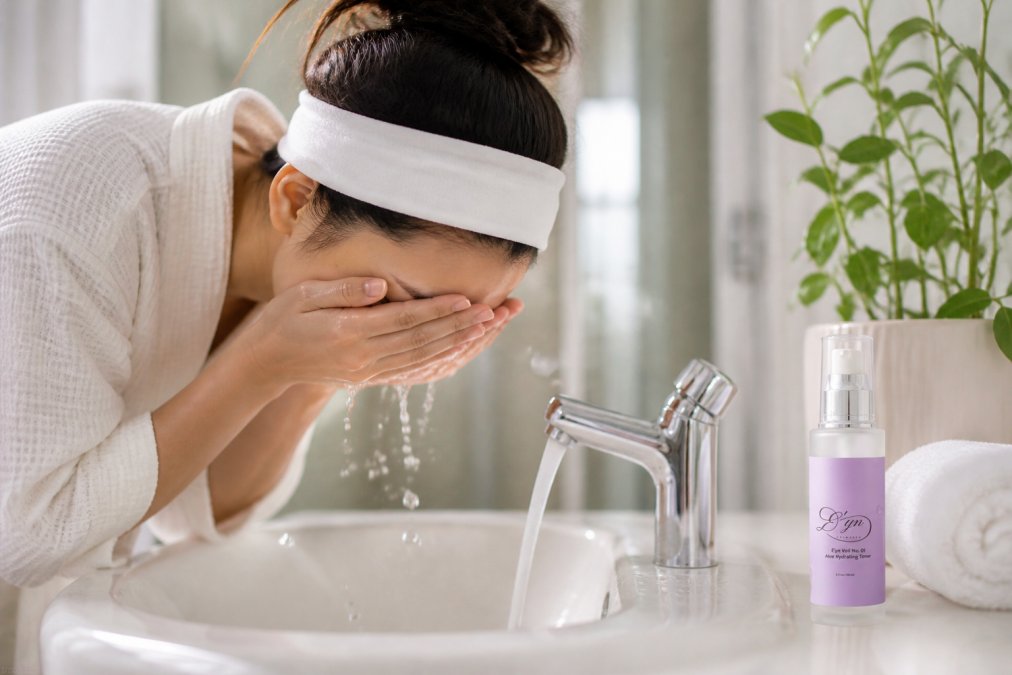
A gentle cleanser for sensitive skin should be pH-balanced (ideally between 5.5 and 6.5), free of sulfates, and formulated without fragrance or alcohol (the American Academy of Dermatology). Use lukewarm water instead of hot, which can trigger vascular dilation and increase inflammation.
Use your fingertips, not a washcloth or brush, and apply gentle circular motions. Avoid scrubbing or aggressive pressure. Rinse thoroughly and pat dry with a soft towel. This entire process should take about 30-45 seconds. Over-cleansing, even with a gentle product, can compromise your barrier further.
Many people with sensitive skin benefit from a hydrating cleanser rather than a foaming one. If you're currently using something that leaves your skin feeling tight or uncomfortable, that's your signal to switch. If your skin is actively inflamed, once daily (evening only) may be better than twice daily. In the morning, you might rinse with just lukewarm water instead of using a full cleanser.
Best Ingredients for Sensitive Skin Redness
Not all skincare ingredients are created equal when it comes to calming inflammation and supporting a compromised barrier.
Hydrating and Soothing Actives
Aloe vera is one of the most studied ingredients for sensitive skin. It contains polysaccharides and antioxidants that help soothe inflammation and support the skin's natural healing response. The E'yn Veil No. 1 Aloe Hydrating Toner delivers aloe as a primary ingredient.
Niacinamide (vitamin B3) reduces inflammation, strengthens the skin barrier, and decreases sebum production without being drying or irritating. Most people see improvements in redness within 2-4 weeks of consistent use.
Panthenol (provitamin B5) is a humectant that draws moisture into the skin and supports the skin's natural healing processes. It's particularly useful for post-procedure redness or when your skin barrier is severely compromised.
Allantoin is a highly effective soothing agent that promotes skin healing, reduces irritation, and has mild antimicrobial properties.
Hyaluronic acid is a humectant that can hold up to 1,000 times its weight in water. For sensitive skin, this ingredient is crucial because dehydration intensifies inflammation and makes redness more visible. A lightweight hydrating serum with hyaluronic acid delivers deep hydration without heaviness.
Barrier-Strengthening Components
Ceramides are lipids that naturally occur in your skin barrier. They create a seal that prevents transepidermal water loss. When your barrier is compromised, ceramide levels drop. Look for ceramide NP, ceramide AP, and ceramide EOP in product ingredient lists.
Cholesterol works alongside ceramides and fatty acids to form the skin barrier's lipid matrix. Products that include all three components are more effective at barrier repair.
Antioxidants like vitamin E, green tea extract, and resveratrol protect your skin from free radical damage that can worsen inflammation, particularly if your redness is triggered by sun exposure or environmental pollution.
How to Repair Damaged Skin Barrier
A damaged skin barrier is the root cause of most persistent facial redness. Barrier repair takes time, typically 2-6 weeks depending on severity.
The first principle is minimization. During barrier repair, your routine should include only essentials: a gentle cleanser, a hydrating toner, a barrier-repair serum, and a moisturizer. Remove everything else. Actives like retinoids, acids, and vitamin C can wait.
The second principle is hydration layering. Apply products to damp skin. After cleansing, pat your skin until it's still slightly damp. The E'yn Veil No. 1 Aloe Hydrating Toner is designed to be applied to damp skin. Follow with the E'yn Veil No. 2 serum while skin is still slightly damp, then seal everything in with the E'yn Veil No. 3 Signature Moisture Seal.
The third principle is consistency. Use your barrier-repair routine twice daily for at least 4 weeks before expecting significant improvement. Many people see visible changes within 2-3 weeks, but full barrier recovery takes longer.
Avoid hot water, harsh towels, fragranced products, exfoliation, multiple actives, and frequent product switching during repair.
Step 3: Apply Targeted Hydration and Barrier Support
Once you've simplified your routine and established a gentle cleansing base, the next step is delivering targeted hydration and barrier support.
A hydrating serum should be lightweight, absorb quickly, and deliver multiple forms of hydration. The E'yn Veil No. 2 combines hyaluronic acid with niacinamide, panthenol, and allantoin, a combination that hydrates, soothes inflammation, and strengthens barrier function simultaneously.
Apply your hydrating serum to damp skin immediately after toning. Use 2-3 drops and press gently into the skin. Dehydration often manifests as excess oil production; a hydrating serum actually helps regulate this.
After your serum absorbs, apply your moisturizer. The E'yn Veil No. 3 Signature Moisture Seal is formulated to be lightweight and non-greasy, creating a protective barrier without a suffocating feeling. The complete three-step ritual takes about 2-3 minutes and addresses every aspect of barrier repair.
Step 4: Use Cold Compresses for Immediate Relief
While working on long-term barrier repair, use cold compresses for immediate relief from active inflammation and redness. Cold constricts blood vessels, reducing the vascular dilation that causes visible redness.
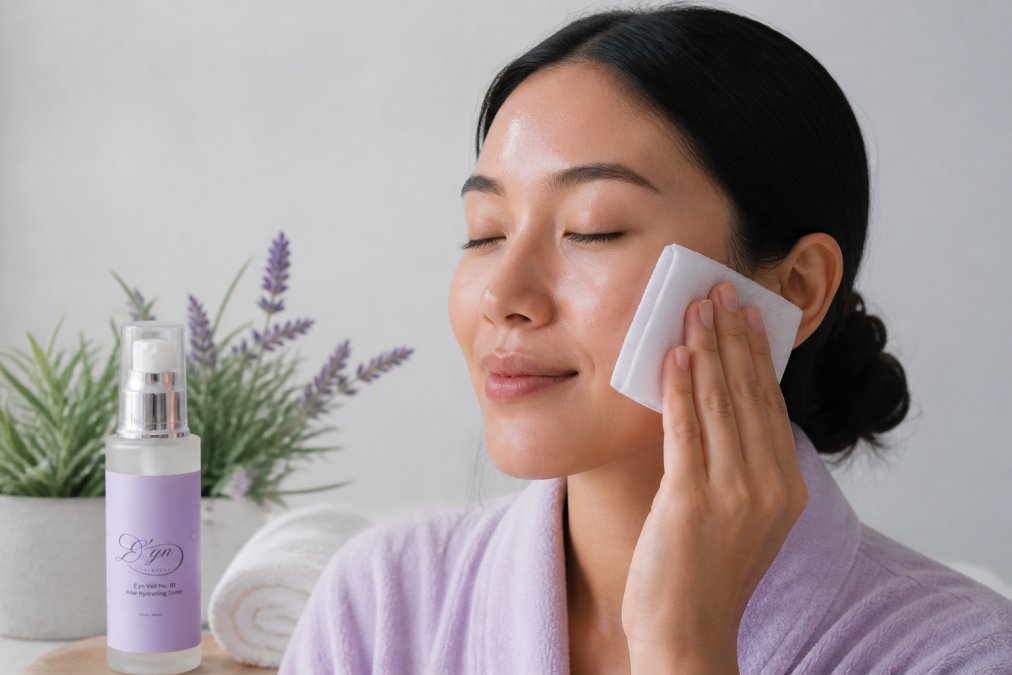
A cold compress can be as simple as a clean, soft cloth soaked in cool water. Refrigerate it for 10-15 minutes, then apply it to affected areas for 5-10 minutes. You can do this once or twice daily, especially in the evening. The relief is temporary, typically lasting 30 minutes to a few hours, but it's immediate.
For a more targeted approach, keep a jade roller or stainless steel roller in the refrigerator. Roll slowly over inflamed areas, focusing on the cheeks and nose.
Avoid ice directly on skin; it can trigger reactive inflammation. Aim for cool, not freezing. Cold compresses are particularly useful after sun exposure, in response to stress-triggered flare-ups, or during the evening routine.
Step 5: Protect Your Skin and Avoid Common Irritants
The final step in managing facial redness is prevention, protecting your skin from triggers and irritants that will undo your progress.
Sun protection is non-negotiable. UV exposure triggers vascular dilation and increases inflammation. Use a broad-spectrum sunscreen with SPF 30 or higher every single day (the CDC). Apply it as the last step of your morning routine after your moisturizer has absorbed.
Environmental triggers require active management. If wind and cold weather worsen your redness, use a protective barrier like a scarf. If pollution is a factor, cleanse your face as soon as you get home. If chlorine triggers flare-ups, rinse your face with fresh water immediately after swimming.
Fragrance and essential oils are common hidden irritants. Even products labeled "natural" or "clean" can contain fragrance compounds that trigger inflammation. Check ingredient lists carefully. For sensitive skin, fragrance-free products are always the safer choice.
Avoid alcohol, sulfates, synthetic dyes, high concentrations of acids or retinoids, and products with menthol or camphor.
Dietary and lifestyle factors matter. Spicy foods, alcohol, and caffeine can trigger vascular dilation in susceptible people. Stress and poor sleep also increase inflammation. Being aware of how they affect your skin helps you manage flare-ups. Drinking adequate water supports your skin's ability to retain moisture and function optimally.
Post-procedure redness requires specific care. If you've recently had a professional treatment like a laser, chemical peel, or microneedling, follow the same principles: minimize your routine, use gentle products, apply cold compresses, and avoid sun exposure. Most post-procedure redness resolves within 24-72 hours, but your skin barrier may need support for 1-2 weeks afterward (the American Academy of Dermatology).
The E'yn Complete Ritual brings together all these principles in one curated collection, including the Aloe Hydrating Toner, Hydrating + Barrier Repair Serum, and Signature Moisture Seal, everything you need for a complete barrier-repair routine without guesswork.
Managing facial redness effectively requires understanding your specific triggers and committing to a consistent, gentle routine that prioritizes barrier repair and hydration. Visible improvements typically appear within 2-4 weeks when you follow these steps consistently. E'yn Skincare's three-step ritual provides professional-grade barrier support without the heaviness or irritation that often comes with clinical-strength products. Start with the fundamentals, be patient with your skin, and adjust based on what you observe. Your barrier will rebuild, your redness will calm, and you'll develop the foundation for healthy, resilient skin.
Frequently Asked Questions
Q: What is the fastest way to get rid of redness on the face?
A: Cold compresses provide the fastest immediate relief by reducing vascular dilation and inflammation. Apply a clean, cool (not frozen) compress for 10-15 minutes. For lasting results, you'll need to address the underlying cause, whether that's a damaged skin barrier, irritants, or environmental triggers. Using hydrating serums with niacinamide and panthenol, paired with a moisturizer, can show visible improvement in redness with consistent use.
Q: Can a damaged skin barrier cause constant redness?
A: Yes. A compromised skin barrier loses its ability to retain moisture and protect against irritants, leading to chronic redness and sensitivity. When the barrier is weakened, transepidermal water loss increases, skin becomes inflamed, and even mild products can trigger flare-ups. Repairing the barrier with ceramides, hyaluronic acid, and barrier-repair serums is essential. The E'yn Veil No. 2 Hydrating + Barrier Repair Serum is specifically designed to rebuild this protective layer while calming active redness.
Q: Which ingredients should I avoid if I have sensitive skin?
A: Avoid fragrance, alcohol, strong acids (like glycolic acid in high concentrations), essential oils, and sulfates. These strip the skin barrier and trigger inflammation. Also skip products with high concentrations of salicylic acid or benzoyl peroxide unless directed by a dermatologist for specific conditions. Instead, choose fragrance-free, alcohol-free, pH-balanced formulas with hypoallergenic and non-comedogenic certifications. Patch test any new product on a small area first, especially if your skin is already irritated.
Q: How does deep hydration help reduce skin sensitivity and redness?
A: Deep hydration strengthens the skin barrier by plumping cells and restoring moisture balance. When skin is properly hydrated, it's less reactive to environmental triggers and irritants. Ingredients like hyaluronic acid draw water into the skin, while niacinamide and panthenol calm inflammation and support barrier function. This reduces both the appearance and frequency of redness flare-ups. Consistent hydration with the right serum and moisturizer can lead to calmer, less reactive skin.
This article was written using GrandRanker