
Best Hydrating Serum for Sensitive Skin: 7 Top Picks
Table of Contents
- Quick Comparison: Best Hydrating Serums for Sensitive Skin
- How We Chose These Serums for Reactive Skin
- Key Ingredients to Look for in a Hydrating Serum
- Ingredients to Avoid in a Hydrating Serum for Sensitive Skin
-
Top 7 Dermatologist-Recommended Hydrating Serums Ranked
- 1. E'yn Veil No. 2, Best Overall for Barrier Repair and Redness Reduction
- 2. CeraVe Hydrating Hyaluronic Acid Serum, Best Budget-Friendly Pick
- 3. Paula's Choice Hyaluronic Acid Booster, Best for Fine Lines and Dehydration
- 4. Glow Recipe Plum Plump Hyaluronic Serum, Best Luxury Botanical Formula
- 5. Vichy Minéral 89 Hyaluronic Acid Serum, Best Lightweight Daily Booster
- 6. Neutrogena Hydro Boost Hyaluronic Acid Serum, Best Widely Available Option
- 7. First Aid Beauty Ultra Repair Hydrating Serum, Best for Irritated or Compromised Skin
- How to Apply a Hydrating Serum Correctly for Sensitive Skin
- Ingredient Interaction Guide and Seasonal Sensitivity Adjustments
- Which Hydrating Serum Should You Choose?
Last Updated: July 30, 2026
Finding an effective hydrating serum for sensitive skin is harder than it should be. Most formulas either deliver intense hydration with potential irritants, or play it so safe they barely work. At E'yn Skincare, we've evaluated what separates a serum that calms reactive skin from one that makes it worse. Below are seven dermatologist-recommended picks ranked by performance, ingredient quality, and suitability for reactive skin.
For sensitive skin, the absence of fragrance, drying alcohols, and high-pH irritants matters as much as the presence of hyaluronic acid.
Quick Comparison: Best Hydrating Serums for Sensitive Skin
| Serum | Starting Price | Key Actives | Best For | Fragrance-Free |
|---|---|---|---|---|
| E'yn Veil No. 2 | Visit eynskincare.com | Barrier-repair complex, humectants | Barrier repair, redness reduction | Yes |
| CeraVe Hydrating HA Serum | $22.99 | Ceramides, HA, Vitamin B5 | Budget-friendly barrier support | Yes |
| Paula's Choice HA Booster | $39.00 | Multi-weight HA, ceramides, panthenol | Fine lines, dehydration | Yes |
| Glow Recipe Plum Plump | $38.00 | 5-weight HA, plum, Vitamin B5 | Luxury botanical hydration | Yes |
| Vichy Minéral 89 | $29.50 | HA, volcanic water minerals | Lightweight daily booster | Yes |
| Neutrogena Hydro Boost Serum | $19.97 | HA, trehalose, glycerin | Widely available, oily skin | Yes (check label) |
| First Aid Beauty Ultra Repair | $39.00 | HA, squalane, colloidal oatmeal | Irritated or compromised skin | Yes |
Quick Picks:
- Best Overall: E'yn Veil No. 2 - barrier repair with redness-calming actives
- Best Budget: CeraVe Hydrating Hyaluronic Acid Serum - ceramides and HA under $23
- Best for Compromised Skin: First Aid Beauty Ultra Repair - colloidal oatmeal plus squalane for active irritation
How We Chose These Serums for Reactive Skin
Selecting the right hydrating serum for sensitive skin requires stricter criteria than most roundups apply. Our evaluation prioritized fragrance-free formulations, clinically recognized humectants and barrier-building actives, pH compatibility (5.0-7.0), lightweight textures, and dermatologist-approved status. According to the American Academy of Dermatology's guidance on sensitive skin care, fragrance is among the most common contact allergens in skincare products, making fragrance-free formulation non-negotiable for this category.
Key Ingredients to Look for in a Hydrating Serum
Humectants: Hyaluronic Acid and Glycerin
Hyaluronic acid is a naturally occurring polysaccharide that draws water from the environment and deeper skin layers to the surface, capable of holding many times its weight in water. Glycerin works similarly at a smaller molecular weight, penetrating slightly deeper. Many strong serums pair both for complete hydration at different depths.
Barrier Builders: Ceramides, Panthenol, and Niacinamide
Ceramides are lipid molecules that form roughly half of the skin barrier's structure. Ceramides 1, 3, and 6-II are the most studied for barrier restoration. Panthenol (pro-vitamin B5) improves barrier function, reduces inflammation, and enhances moisture retention. Niacinamide reduces redness, supports ceramide synthesis, and improves texture at two to five percent concentrations.
Ingredients to Avoid in a Hydrating Serum for Sensitive Skin
Avoid these in any serum marketed toward sensitive or compromised skin:
- Fragrance (parfum): The single most common cause of contact dermatitis in skincare.
- Denatured alcohol (alcohol denat.): Signals a drying, barrier-disrupting formula.
- Essential oils: Lavender, eucalyptus, peppermint, and citrus oils are among the most reactive.
- High-concentration exfoliating acids: AHAs and BHAs compromise struggling barriers.
- Sulfates: Occasionally appear in serums as solubilizers.
Top 7 Dermatologist-Recommended Hydrating Serums Ranked
1. E'yn Veil No. 2, Best Overall for Barrier Repair and Redness Reduction
The E'yn Veil No. 2 is the strongest overall pick for anyone dealing with a compromised skin barrier, persistent redness, or dehydration-driven fine lines. It delivers deep, lasting hydration while actively rebuilding the skin's natural moisture barrier without heaviness or grease. Real customer feedback reflects what the formula promises: "My skin has never felt this hydrated. The Hero Serum is everything. I saw a difference within a week."
Pros:
- Visibly plumps and smooths skin texture from first use
- Rebuilds and strengthens the skin's natural moisture barrier
- Deep, lasting hydration without heaviness or grease
- Calms sensitivity and reduces the appearance of redness
- Suitable for sensitive and mature skin
Best for: Adults with reactive, dehydrated, or mature skin who want visible plumping and redness reduction without a heavy finish.
For current pricing, visit eynskincare.com directly.
2. CeraVe Hydrating Hyaluronic Acid Serum, Best Budget-Friendly Pick
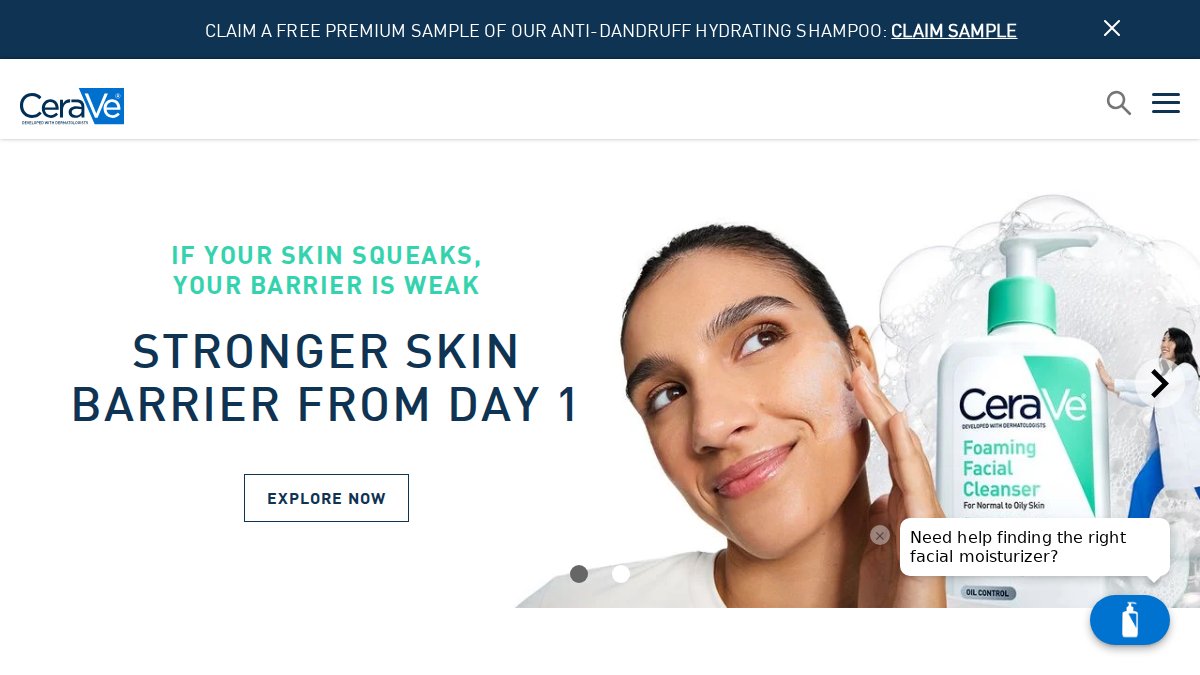
At $22.99, the CeraVe Hydrating Hyaluronic Acid Serum is the strongest value in this category. Developed with dermatologists, it contains three essential ceramides (1, 3, and 6-II), high-concentration hyaluronic acid, and Vitamin B5. The MVE Technology is a controlled-release delivery system that disperses moisturizing ingredients gradually throughout the day.
Pros:
- 24-hour hydration with instantly smoother skin
- Restores the skin's protective barrier with three ceramide types
- Fragrance-free, paraben-free, non-comedogenic
Cons:
- May need a separate moisturizer for very dry skin
Best for: Normal to dry and sensitive skin seeking solid barrier support at an accessible price.
3. Paula's Choice Hyaluronic Acid Booster, Best for Fine Lines and Dehydration
The $39.00 Paula's Choice Hyaluronic Acid Booster features a dual-weight hyaluronic acid system targeting both surface hydration and deeper dermal layers for more visible plumping. The complete ceramide complex adds barrier repair, and the fragrance-free, oil-free, silicone-free formula is clean for sensitive skin.
Pros:
- Multi-depth hydration from dual-weight HA system
- Strengthens the skin barrier and locks in moisture
- Versatile: can be mixed into moisturizer or layered
Cons:
- Slightly sticky upon application
- Higher price per ounce
Best for: Dehydrated skin with visible fine lines and a compromised barrier.
4. Glow Recipe Plum Plump Hyaluronic Serum, Best Luxury Botanical Formula
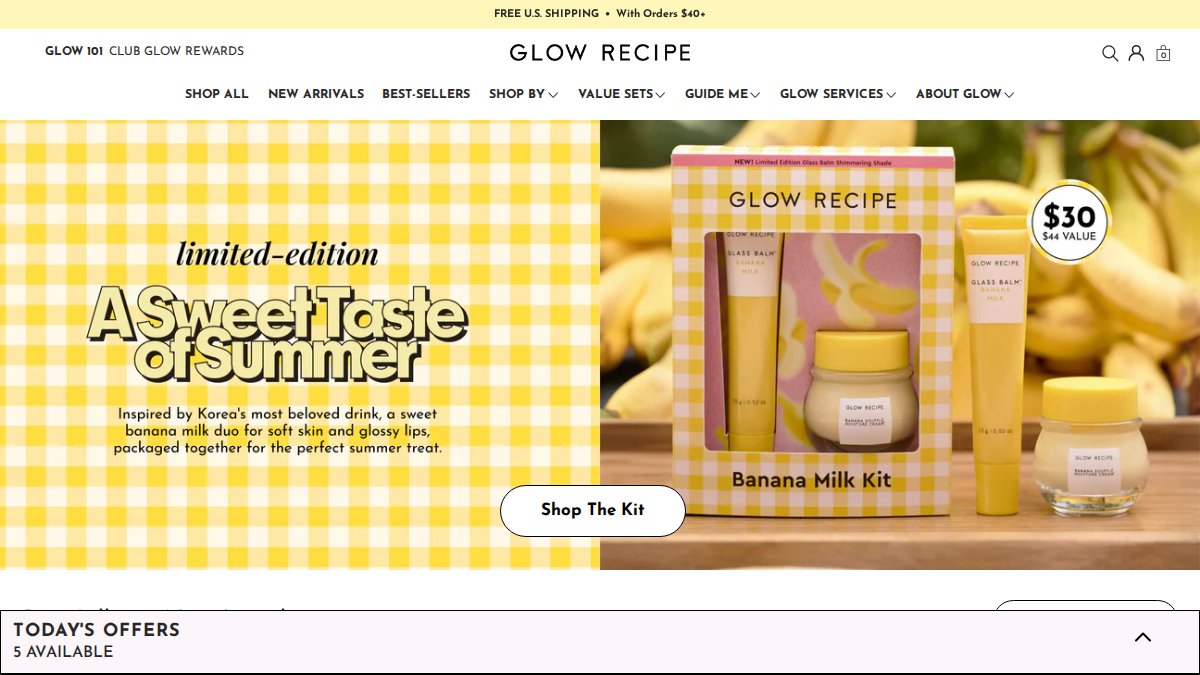
Five molecular weights of hyaluronic acid target different skin depths, from surface plumping to deeper structural hydration. The antioxidant-rich plum extract adds environmental protection. At $38.00, the water-gel texture absorbs quickly without heaviness.
Pros:
- Visibly plump and hydrated skin from multi-depth HA
- Lightweight water-gel texture absorbs easily
- Vegan, cruelty-free, free of parabens and synthetic dyes
Cons:
- Best applied to damp skin
- Premium price point
Best for: All skin types seeking deep hydration with a botanical-forward, luxury experience.
5. Vichy Minéral 89 Hyaluronic Acid Serum, Best Lightweight Daily Booster
Vichy Minéral 89 uses 89% Vichy Volcanic Water, which contains 15 essential minerals that strengthen the skin barrier and calm sensitivity. At $29.50, it's fragrance-free, alcohol-free, oil-free, and paraben-free, one of the cleanest options for reactive skin in this tier.
Pros:
- Soothes and calms sensitive skin
- Strengthens the moisture barrier
- Lightweight, refreshing gel texture
Cons:
- May not provide sufficient hydration for very dry skin alone
Best for: Sensitive skin seeking a lightweight, multi-purpose daily booster.
6. Neutrogena Hydro Boost Hyaluronic Acid Serum, Best Widely Available Option
The Neutrogena Hydro Boost Serum at $19.97 is the most accessible pick, available at most drugstores nationwide. The formula pairs purified hyaluronic acid with trehalose and glycerin for enhanced moisture-locking, with a lightweight texture ideal for oily or combination skin. Check the label carefully, as some Neutrogena Hydro Boost products contain fragrance.
Pros:
- Deep hydration without a greasy residue
- Hypoallergenic and non-comedogenic
- Affordable and widely available
Cons:
- Some product variants in the line contain fragrance; verify the label
Best for: All skin types, including oily and sensitive, seeking accessible, budget-friendly daily hydration.
7. First Aid Beauty Ultra Repair Hydrating Serum, Best for Irritated or Compromised Skin
First Aid Beauty's Ultra Repair Hydrating Serum is the pick for actively struggling skin. The combination of hyaluronic acid, squalane, and colloidal oatmeal addresses dehydration, barrier disruption, and active irritation. Colloidal oatmeal is an FDA-recognized skin protectant with a long track record in managing eczema and contact dermatitis. At $39.00, this trio makes the formula one of the most targeted options for compromised skin.
Pros:
- Calms and soothes actively irritated skin
- 24-hour hydration with immediate moisture boost
- Improves skin texture and minimizes fine lines
Cons:
- Mid-to-higher price point relative to basic HA serums
Best for: Sensitive, dry, or combination skin dealing with active irritation, eczema-prone conditions, or a significantly compromised barrier.
How to Apply a Hydrating Serum Correctly for Sensitive Skin
After cleansing with a gentle, pH-balanced cleanser, pat your skin until damp but not dripping. Apply three to four drops of serum to your fingertips and press gently into the skin rather than rubbing. Work outward from the center of the face with light, flat-handed pressure.
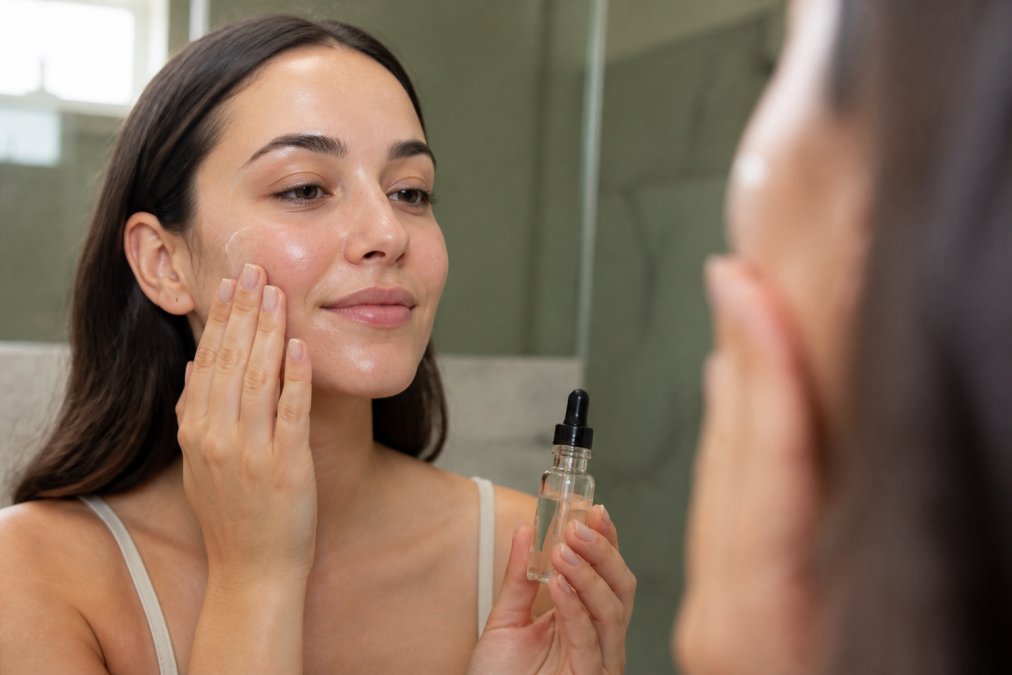
Follow immediately with a moisturizer to seal the humectants in place. Without an occlusive layer on top, hyaluronic acid and glycerin can draw moisture out of the skin in dry environments. Apply morning and evening for consistent barrier repair results.
Patch Testing Protocol: The Step You Should Never Skip
Patch testing is critical for sensitive skin. A patch test identifies potential reactions before full-face application.
Standard patch test protocol:
- Apply a small amount of serum to the inside of your wrist or behind your ear
- Leave it on for 24 hours without washing the area
- Check for redness, itching, swelling, or any skin texture change
- If no reaction occurs, repeat for a second 24-hour period before applying to your face
- On first full-face use, apply to a small area only (one cheek is sufficient)
- Wait 48 hours before expanding to full-face application
The two-day protocol catches both immediate reactions and delayed hypersensitivity responses, which can take up to 48 hours to manifest. According to the National Eczema Association's guidance on patch testing for sensitive skin, delayed reactions are common and frequently missed by single-day testing.
Ingredient Interaction Guide and Seasonal Sensitivity Adjustments
Ingredients don't exist in isolation. What you layer on top of or beneath your hydrating serum affects both efficacy and tolerability.
Ingredient interactions to know:
- HA + retinol: Hyaluronic acid applied before retinol buffers irritation without reducing retinol's efficacy.
- Niacinamide + Vitamin C: At high concentrations, these can interact and cause temporary flushing. Use them in separate routines if your skin is particularly sensitive.
- Ceramides + occlusives: Ceramide-containing serums work best when sealed with an occlusive moisturizer.
- Panthenol + any active: Panthenol is one of the most compatible actives in skincare.
Seasonal adjustments for sensitive skin:
In winter, low humidity and indoor heating accelerate transepidermal water loss. A serum with ceramides and panthenol becomes more important as a barrier support tool. In summer, heat and sweat can push reactive skin toward congestion; a lighter serum with primarily HA and glycerin, followed by a gel moisturizer, maintains hydration without triggering breakouts. Spring and fall are transition seasons where barrier sensitivity often spikes; strip your routine back to basics: a gentle cleanser, a hydrating serum with ceramides, and a simple moisturizer.
Which Hydrating Serum Should You Choose?
If your barrier is actively compromised (tight, stinging, easily flushed), the First Aid Beauty Ultra Repair Serum or the E'yn Veil No. 2 are the strongest options for reactive skin in distress.
If you're dealing with dehydration-driven fine lines and dullness, the Paula's Choice Hyaluronic Acid Booster's dual-weight HA system delivers more visible plumping than a single-weight formula.
If budget is the primary constraint, CeraVe Hydrating Hyaluronic Acid Serum at $22.99 covers the essential bases without compromise on fragrance-free, non-comedogenic requirements.
For daily lightweight use across all seasons, Vichy Minéral 89 layers cleanly beneath other products without adding complexity.
Start with one serum, patch test properly, and give it four to six weeks before evaluating results. Sensitive skin responds poorly to frequent product switching. Consistency, not variety, repairs a compromised barrier. As documented in skin barrier research published by the Journal of Investigative Dermatology, barrier repair is a gradual biological process requiring sustained, non-disruptive support.
Reactive skin doesn't need more products. It needs the right ones, applied correctly and consistently. E'yn Veil No. 2 was formulated precisely for this: visibly plumping and smoothing skin from the first use, rebuilding the skin's natural moisture barrier, and calming sensitivity without heaviness or grease. If your current routine isn't delivering lasting moisture retention or reducing the appearance of redness, visit eynskincare.com to explore how the Veil No. 2 can become the foundation your routine has been missing.
Frequently Asked Questions
What ingredients should I look for in a hydrating serum for sensitive skin?
The most beneficial ingredients in a hydrating serum for sensitive skin include hyaluronic acid and glycerin, which are humectants that draw moisture into the skin and reduce transepidermal water loss. Ceramides help rebuild and strengthen the skin barrier, while panthenol (pro-vitamin B5) and niacinamide soothe redness and calm reactive skin. Look for fragrance-free, non-comedogenic, and hypoallergenic formulas to minimize the risk of irritation.
What ingredients should I avoid in a hydrating serum for sensitive skin?
Sensitive skin is best served by avoiding synthetic fragrances, which are among the most common causes of contact dermatitis. Drying alcohols (like alcohol denat.), sulfates, parabens, and synthetic dyes can also disrupt the skin barrier and trigger redness. Essential oils, even natural ones, can be irritating for reactive skin types. Always check labels carefully and prioritize fragrance-free, minimal-ingredient formulas when your skin barrier is compromised.
Do I need a moisturizer after applying a hydrating serum?
Yes, in most cases. A hydrating serum works primarily as a humectant, drawing water into the skin, but it benefits greatly from being sealed in with a moisturizer containing occlusives or emollients. Without a follow-up moisturizer, humectants can actually pull moisture from deeper skin layers in low-humidity environments, making dryness worse. Apply your serum to damp skin, then layer a pH-balanced, fragrance-free moisturizer on top to lock in the hydration boost.
Can I use a hydrating serum alongside active ingredients like Vitamin C or retinol?
Generally, yes, a hydrating serum is one of the most compatible products in a layered routine because its primary job is moisture retention, not exfoliation or resurfacing. Apply it before heavier actives in the morning or after retinol at night to buffer potential irritation. For very sensitive or compromised skin, introduce one new product at a time and always patch test first. Niacinamide-containing serums pair especially well with both Vitamin C and retinol to reduce redness.
How long does it take to see results from a hydrating serum for sensitive skin?
Many users notice immediately improved skin texture and a plumping effect after the first few applications, as humectants like hyaluronic acid draw water into the skin quickly. Longer-term benefits, such as a noticeably stronger skin barrier, reduced redness, and softened fine lines caused by dehydration, typically become visible within two to four weeks of consistent daily use. For best results, apply morning and evening to damp skin and follow with a moisturizer.
This article was written using GrandRanker