
How to Repair Damaged Skin Barrier: 7 Steps
Table of Contents
- Signs of Damaged Skin Barrier You Can't Ignore
- What Damages Your Skin Barrier
- Step-by-Step: How to Repair Damaged Skin Barrier
- Skin Barrier Repair Ingredients That Actually Work
- How Long to Heal Skin Barrier: What to Expect
- Build Your Skin Barrier Repair Routine
- Troubleshooting: Why Your Barrier Isn't Healing
- Conclusion
Last Updated: August 21, 2026
Signs of Damaged Skin Barrier You Can't Ignore
A damaged skin barrier is your skin's outer protective layer failing to do its job. When this happens, moisture escapes, irritants penetrate deeper, and your skin becomes increasingly reactive and uncomfortable. The stratum corneum, the outermost layer of your epidermis, loses its ability to retain water and defend against environmental stressors.
The signs are unmistakable: persistent redness and inflammation without an obvious cause, skin that feels tight and uncomfortable, and itching, stinging, or burning sensations when applying even gentle products. Other telltale symptoms include increased sensitivity to products you've used before, visible dehydration that moisturizer can't fix, and a dull, rough texture. Some people experience increased breakouts. The barrier dysfunction creates a vicious cycle: irritation triggers inflammation, which further damages the lipid barrier, allowing more irritants in.
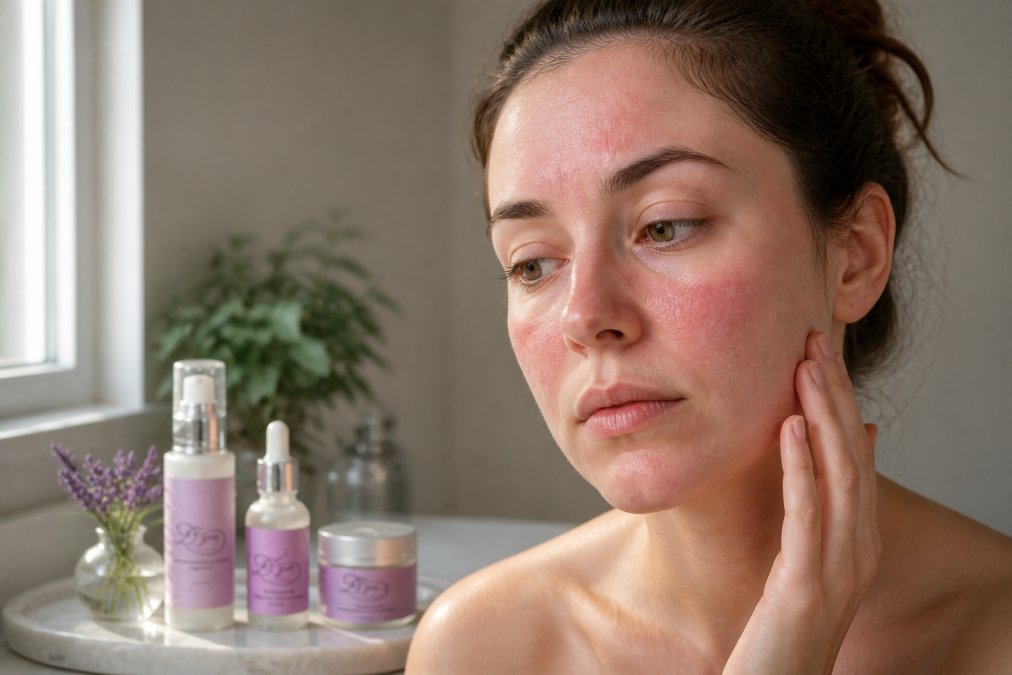
If your skin has recently become reactive to products that worked fine before, your barrier likely needs attention.
What Damages Your Skin Barrier
Your skin barrier deteriorates through external stressors and misguided skincare habits that strip away the lipid layer faster than your skin can rebuild it. Over-cleansing is one of the most common culprits. Washing your face more than twice daily, especially with hot water or harsh cleansers, removes the natural oils and ceramides that hold your barrier together.
Chemical exfoliants deserve special attention. AHAs, BHAs, and other active ingredients are powerful when used correctly, but overuse, particularly when combined with retinoids, creates a perfect storm for barrier damage. Many people layer multiple exfoliating products simultaneously without realizing they're abrading their skin's protective layer.
Environmental factors play a significant role. Cold, dry climates, wind, pollution, and UV exposure all contribute to barrier degradation. Indoor heating during winter can create an environment where your skin loses moisture rapidly.
Certain ingredients accelerate barrier damage when used excessively: high-concentration retinoids, vitamin C serums, and potent chemical exfoliants. Fragrance and essential oils can irritate a compromised barrier further. Sodium lauryl sulfate and other sulfate-based cleansers are particularly aggressive.
Stress and poor sleep indirectly damage your barrier by suppressing your skin's natural repair mechanisms. Your skin does most of its barrier repair work at night. When you're sleep-deprived or chronically stressed, your body deprioritizes skin health, resulting in slower barrier recovery and increased inflammation.
Step-by-Step: How to Repair Damaged Skin Barrier
Repairing your skin barrier requires a deliberate, minimalist approach. Strip back your routine to essentials, give your skin the tools it needs to rebuild, and be patient while the repair process unfolds.
Step 1: Strip Back Your Routine
Eliminate everything that isn't essential. Put away retinoids, vitamin C serums, exfoliants, and any other active ingredients temporarily. Reduce to three products: a gentle cleanser, a hydrating serum, and a moisturizer. This reset period typically lasts 4-6 weeks while your barrier rebuilds (peer-reviewed research).
If you're using more than one active ingredient or cleansing more than twice daily, those are your first targets for elimination. The temptation to "speed up" healing by continuing actives is counterproductive. Every active ingredient delays recovery and deepens the damage.
Step 2: Cleanse Gently With Lukewarm Water
Hot water opens your pores and strips away protective oils, so use lukewarm water instead. Many dermatologists recommend cleansing with just water in the morning and using a gentle cleanser only at night (the American Academy of Dermatology).
Choose a soap-free cleanser specifically formulated for sensitive skin. Avoid anything with fragrance, sulfates, or strong surfactants. If your cleanser leaves your skin feeling tight or uncomfortable, it's too harsh. Gentle cleansing is non-negotiable during barrier repair.
Step 3: Apply Hydrating + Barrier Repair Serum
After cleansing, apply a serum designed for barrier repair and hydration. Products containing hyaluronic acid, ceramides, and fatty acids work together to restore the lipid barrier and help your skin retain moisture.
Hyaluronic acid acts as a humectant, drawing water into your skin and holding it there. Ceramides and fatty acids are the actual building blocks your barrier needs to reconstruct itself. The E'yn Veil No. 2 Hydrating + Barrier Repair Serum is formulated with these exact ingredients. Apply it to damp skin immediately after cleansing, while your skin is still slightly moist. This helps the serum penetrate more effectively and allows the hyaluronic acid to bind more water to your skin.
Step 4: Lock In Moisture With an Occlusive
A serum alone isn't enough. You need an occlusive moisturizer to seal in hydration and prevent transepidermal water loss. Occlusives create a protective layer that prevents moisture from escaping, allowing your barrier to actually heal.
Look for moisturizers containing ceramides, squalane, or glycerin. The E'yn Veil No. 3 Signature Moisture Seal is designed to seal in hydration without feeling greasy or heavy. Apply your moisturizer to damp skin immediately after your serum. This layering technique maximizes hydration and creates an environment where your barrier can repair itself.
Step 5: Protect From Sun and Environmental Stress
Sun protection is non-negotiable during barrier repair. UV exposure increases inflammation and accelerates barrier damage. Use a broad-spectrum sunscreen with at least SPF 30 daily, even on cloudy days (the CDC).
Protect your skin from environmental stressors as much as possible. If you live in a dry climate, use a humidifier in your bedroom. Avoid extreme temperature changes. At night, consider using a heavier occlusive product or sleeping mask to maximize overnight barrier repair.
Skin Barrier Repair Ingredients That Actually Work
Ceramides are perhaps the most important ingredient for barrier repair. These lipids are literally part of your skin's natural barrier structure. Topical ceramides help replace what's been lost and support your skin's natural repair mechanisms.
Hyaluronic acid is a humectant that draws water into your skin and helps it retain moisture. During barrier repair, this ingredient is invaluable because it increases hydration without adding heaviness. Hyaluronic acid is particularly effective when applied to damp skin.
Fatty acids like linoleic acid and linolenic acid are essential components of your skin's lipid barrier. These omega-6 and omega-3 fatty acids support barrier function and reduce inflammation.
Glycerin is another humectant that supports hydration and barrier function. It's been used in skincare for decades because it works reliably without irritation.
Squalane is an occlusive that mimics your skin's natural sebum. It creates a protective layer that prevents water loss while being lightweight and non-comedogenic.
Avoid ingredients that compromise your barrier during repair: alcohol denat, fragrance, and essential oils. Strong actives like retinoids, vitamin C, and chemical exfoliants should be completely eliminated during the repair phase.
How Long to Heal Skin Barrier: What to Expect
Most people see initial improvements within 2-3 weeks. Your skin will feel less tight, less irritated, and more comfortable. The redness may begin to subside.
Noticeable visual improvements typically take 4-6 weeks. By this point, your skin should feel significantly less sensitive, and the texture should improve noticeably. Fine lines caused by dehydration may appear softer.
Complete barrier repair usually takes 8-12 weeks. Your skin's barrier repair happens at a biological pace that can't be rushed. Trying to speed up the process by reintroducing actives will only extend your recovery timeline.
Several factors influence healing speed: your age, genetics, environmental conditions, and consistency. Sticking to a minimalist routine without deviation produces faster results than inconsistent application.
Build Your Skin Barrier Repair Routine
A successful barrier repair routine follows a simple structure: cleanse gently, hydrate deeply, and seal in moisture. The key is consistency and resistance to adding more products before your barrier is fully healed.
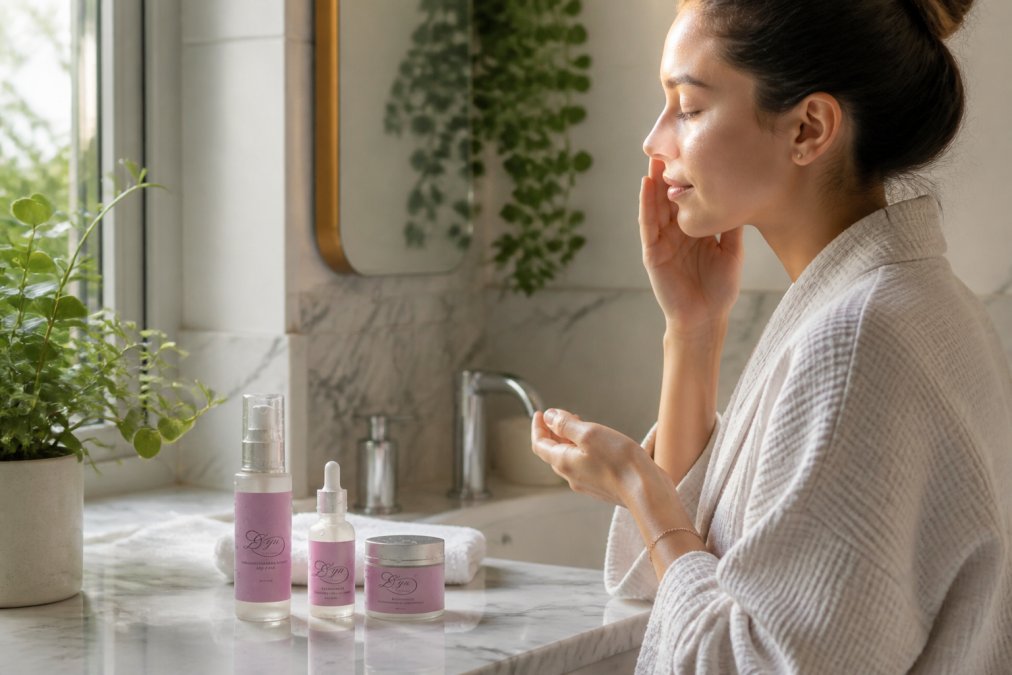
Your morning routine should take less than five minutes. Rinse your face with lukewarm water, apply your hydrating serum to damp skin, then follow with your moisturizer. Add sunscreen as the final step.
Your evening routine is nearly identical. Cleanse with a gentle, soap-free cleanser and lukewarm water. Apply your hydrating serum to damp skin. Follow with your moisturizer. If you want extra occlusive support, apply a sleeping mask as a final step.
The Complete Ritual from E'yn Skincare includes a gentle cleanser, the Veil No. 2 Hydrating + Barrier Repair Serum, and the Veil No. 3 Signature Moisture Seal, everything you need to repair your barrier in one curated collection. Consistency matters more than perfection. If you miss a day, simply resume your routine. Barrier repair is a marathon, not a sprint.
Troubleshooting: Why Your Barrier Isn't Healing
Sometimes despite following a repair routine faithfully, your barrier seems stuck. Understanding what's going wrong allows you to adjust your approach.
The most common reason barrier repair stalls is hidden actives. Check your moisturizer and sunscreen; some contain alcohol, fragrance, or other potentially irritating ingredients. Even "natural" products like essential oils can compromise a healing barrier.
Over-cleansing is another frequent culprit. If you're cleansing more than twice daily or using a cleanser that leaves your skin feeling tight, you're actively preventing healing. Cleanse once in the morning and once at night with only lukewarm water and a genuinely gentle cleanser.
Insufficient hydration is also common. Apply your serum to damp skin instead of dry skin, which significantly reduces its effectiveness. Always apply serums to skin that's still slightly moist from cleansing.
Environmental stress can slow healing dramatically. Using a humidifier, reducing shower temperature, and limiting time in heated environments can make a measurable difference.
Dietary factors influence barrier health too. Your skin barrier is made of lipids that your body produces from dietary fats. Adding more omega-3 and omega-6 rich foods, fatty fish, nuts, seeds, avocados, supports barrier repair from the inside.
Sleep deprivation slows barrier repair significantly. Prioritizing 7-9 hours of quality sleep accelerates healing. Chronic stress also impairs barrier function by suppressing your immune system and increasing inflammation. Incorporating stress-management practices supports your skin's healing.
| Issue | Likely Cause | Solution |
|---|---|---|
| Persistent redness despite routine | Hidden actives or irritants in products | Audit all products for alcohol, fragrance, actives |
| Slow improvement after 6+ weeks | Over-cleansing or cleansing with hot water | Reduce to once-daily cleansing, use lukewarm water only |
| Serum feels ineffective | Applying to dry skin instead of damp | Always apply serums to skin still moist from cleansing |
| Continued sensitivity and tightness | Insufficient hydration or environmental stress | Use humidifier, reduce shower temperature, add hydrating layers |
| Plateau after initial improvement | Dietary deficiency or sleep deprivation | Increase healthy fats in diet, prioritize 7-9 hours sleep |
Repairing a damaged skin barrier requires patience, consistency, and a willingness to simplify your routine temporarily. Your skin's barrier is your most important defense against irritation and dehydration. By following a minimalist approach focused on gentle cleansing, deep hydration, and protective occlusion, you create the conditions your skin needs to heal itself. E'yn Skincare's formulations are designed specifically for this barrier-repair phase, delivering the ceramides, hyaluronic acid, and fatty acids your skin needs to rebuild. Start with The Complete Ritual and give your skin the 8-12 weeks it needs to fully recover. The payoff, resilient, healthy, genuinely comfortable skin, is worth the temporary simplification of your routine.
Frequently Asked Questions
How do I tell if my skin barrier is damaged?
A damaged skin barrier shows clear signs: persistent redness, tight or stinging sensations, increased sensitivity to products you've used before, flakiness, and dehydration that moisturizer alone doesn't fix. You may also notice increased breakouts or a rough texture. These occur because the stratum corneum, your skin's outermost protective layer, has compromised lipid barriers, allowing transepidermal water loss and irritant penetration.
How long does it take to repair a damaged skin barrier?
Most people see noticeable improvement in 2-4 weeks with a consistent repair routine. However, full healing of the stratum corneum and lipid barrier typically takes 4-8 weeks, depending on severity. Mild damage may resolve faster; deeply compromised barriers need patience. Consistency matters more than speed, skipping steps or reintroducing harsh products will reset your timeline.
What ingredients should I avoid when my skin barrier is compromised?
Avoid chemical exfoliants (AHAs, BHAs), retinoids, vitamin C, and physical exfoliation entirely during repair. Skip fragranced products, essential oils, and alcohol-based formulas. Even 'gentle' actives will stress an already inflamed barrier. Focus exclusively on soothing, hydrating ingredients like hyaluronic acid, ceramides, and fatty acids until redness and sensitivity subside.
Can dietary changes help repair my skin barrier from the inside?
Yes. Omega-3 fatty acids, antioxidants, and adequate hydration support barrier function internally. Foods rich in fatty acids (salmon, walnuts, flaxseed) provide building blocks for ceramides and lipids your skin needs to heal. Staying hydrated helps maintain skin hydration levels. While topical repair is essential, internal support accelerates healing and prevents future damage.
This article was written using GrandRanker