
Best Barrier Repair Serum for Redness: 2026 Guide
Table of Contents
- Signs of a Compromised Skin Barrier
- What to Look for in a Barrier Repair Serum for Redness
- Skin Barrier Repair Ingredients That Work
- Top Barrier Repair Serums for Redness Ranked
- How to Fix a Damaged Skin Barrier
- Timeline: How Long Barrier Repair Takes
- Common Mistakes to Avoid
- Conclusion
Last Updated: August 11, 2026
Signs of a Compromised Skin Barrier
A damaged skin barrier shows itself through persistent redness, tightness, burning or stinging sensations even with gentle products, unusual dryness despite moisturizing, or paradoxical oil overproduction as skin compensates for lost moisture. When the barrier weakens, transepidermal water loss accelerates, triggering increased inflammation, hypersensitivity to previously tolerated ingredients, and deepened redness as the barrier can no longer regulate immune responses effectively.
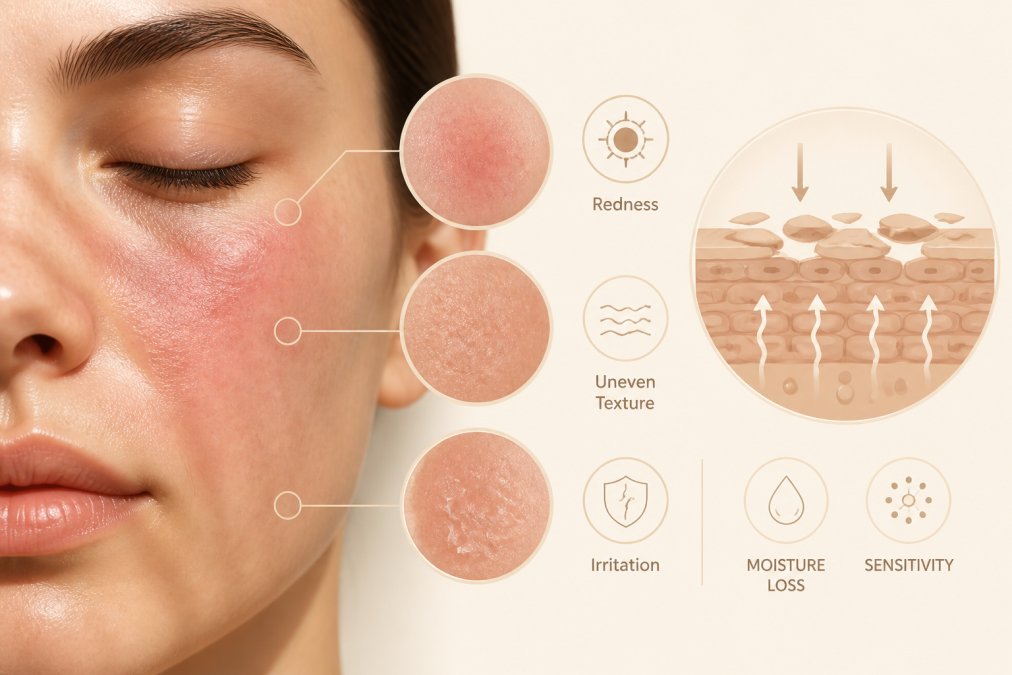
Common culprits include over-exfoliation, too many active ingredients at once, harsh cleansers, environmental stress, or conditions like eczema or rosacea. Understanding your barrier damage matters because it changes your treatment strategy, you can't fix a damaged barrier the same way you'd treat occasional sensitivity. The focus shifts to rebuilding, not treating, making targeted barrier repair serums essential.
What to Look for in a Barrier Repair Serum for Redness
The best barrier repair serum for redness does three things simultaneously: reduces visible redness, rebuilds the lipid layer, and calms inflammation without causing further irritation.
Key Ingredients That Reduce Redness
Ceramides are non-negotiable, these lipid molecules are literally what your skin barrier is made of. Look for products listing ceramides in the first five ingredients, ideally multiple types (ceramide NP, AP, and EOP are skin-identical versions). Niacinamide reduces redness by calming inflammation and strengthening the barrier simultaneously. Centella asiatica (cica) soothes irritation without further irritation. Hyaluronic acid draws moisture into skin, but only works if your barrier can retain it, most effective when paired with ceramides and lipids. Panthenol and allantoin reduce stinging and burning. Peptides support collagen production and skin firmness, restoring barrier structural integrity. Fatty acids like squalane mimic your skin's natural sebum composition for lipid replenishment without greasiness.
Texture matters significantly. A serum that's too occlusive can trap bacteria and heat against sensitized skin. The best formulations use milky or lightweight gel textures that absorb quickly without residue, allowing your skin to breathe while receiving intensive hydration and repair. Apply serum to damp skin and gently press in with fingertips rather than rubbing. Follow immediately with a moisturizer to seal everything in.
Skin Barrier Repair Ingredients That Work
The most effective barrier repair ingredients fall into three categories: lipid replenishment, anti-inflammatory support, and hydration enhancement. Lipid replenishment supplies ceramides, cholesterol, and fatty acids that your barrier naturally contains. Anti-inflammatory ingredients like niacinamide, centella asiatica, and panthenol calm the immune response causing redness and irritation. Hydration enhancement goes beyond water, hyaluronic acid and polyglutamic acid bind water molecules, but this only works if your barrier can retain moisture.
The most effective serums combine all three categories. A serum with only ceramides will hydrate but won't address redness. One with only niacinamide will calm inflammation but won't rebuild barrier structure. The best formulations integrate lipid replenishment, anti-inflammatory ingredients, and hydration support into a single lightweight formula.
Top Barrier Repair Serums for Redness Ranked
1. E'yn Veil No. 2: Best for All Skin Types
E'yn Veil No. 2 is a barrier repair serum that delivers visible results without the heaviness that often comes with intensive repair formulas. This serum visibly plumps skin and smooths texture from the first use while simultaneously calming sensitivity and reducing redness over time. It rebuilds and strengthens the skin's natural moisture barrier without heaviness or grease. Customers report noticing a difference within a week, with results compounding over time as the barrier genuinely rebuilds. At $32.00, it's professional-grade.
Pros:
- Visibly plumps and smooths skin texture from the first application
- Suitable for all skin types, including sensitive and mature skin
- Calms sensitivity and reduces redness without irritation
- Professional-grade results without greasiness
- Lightweight formula allows effective layering
Cons:
- Results develop over weeks rather than days
- Not ideal if you prefer ultra-lightweight gel textures
Best for: Anyone with a compromised barrier seeking professional-grade repair without heaviness. Particularly effective for mature skin experiencing dehydration-related fine lines alongside redness.
2. Glow Recipe Avocado Ceramide Redness Relief Serum
This serum contains five skin-identical ceramides paired with avocado butter and extract, specifically designed to reduce redness while strengthening barrier function. Allantoin adds additional soothing, making this particularly effective for actively irritated skin. The lightweight, milky texture absorbs quickly without residue. At $31.41 for 1 oz, it's competitively priced and widely available.
The formula lacks niacinamide, so you're getting excellent ceramide coverage but missing one of the most potent anti-inflammatory ingredients. If redness is your primary concern, you might need to pair this with a separate niacinamide product for optimal results.
Pros:
- Five skin-identical ceramides for comprehensive lipid replenishment
- Visibly reduces redness and soothes irritated skin
- Fast-absorbing milky texture
- Vegan and cruelty-free with clean ingredient list
Cons:
- Lacks niacinamide, limiting anti-inflammatory coverage
- May require pairing with additional actives for maximum redness reduction
Best for: Dry, sensitive skin with redness that responds well to ceramide-focused formulations.
3. Aveeno Calm + Restore Triple Oat Serum: Best Budget Option
At $19.99 for 1 fl oz, this serum delivers meaningful results without the luxury price tag. The triple oat complex (kernel extract, oil, and flour) provides gentle soothing, while feverfew adds calming support. The serum is hypoallergenic, non-comedogenic, fragrance-free, and free of parabens and drying alcohols. The lightweight gel-serum texture absorbs quickly, suitable even for oily or combination skin.
This serum excels at soothing and basic hydration but lacks ceramides or advanced hydrators like hyaluronic acid. It's a maintenance product for mild barrier compromise, not a solution for severe damage.
Pros:
- Affordable entry point for barrier repair
- Instantly soothes irritated and dry skin
- Widely accessible
- Lightweight texture works for all skin types
- Clean ingredient list
Cons:
- Lacks ceramides and advanced hydrators
- May not be sufficient for severe barrier damage
- Soothing focus without deep structural repair
Best for: Budget-conscious consumers with mild-to-moderate barrier compromise or as maintenance once your barrier has healed.
4. Biossance Squalane + Copper Peptide Rapid Plumping Serum
This serum prioritizes plumping and firmness alongside barrier repair. The combination of hyaluronic acid, squalane, and polyglutamic acid creates rapid hydration that visibly plumps skin immediately. Copper peptides (GHK-Cu) support collagen production, addressing fine lines caused by dehydration while rebuilding the barrier. At $68.00 for 1.69 oz, this is positioned as premium.
This formula emphasizes anti-aging and plumping over soothing inflammation. If redness is your primary concern, this serum addresses it indirectly through hydration and barrier strengthening rather than directly through anti-inflammatory ingredients. It's excellent for mature skin with both barrier damage and fine lines.
Pros:
- Instantly and visibly plumps skin
- Supports collagen production for firmer, more resilient skin
- Long-lasting hydration from polyglutamic acid
- Vegan formulation
Cons:
- Higher price point
- Plumping focus means less emphasis on anti-inflammatory soothing
- May feel slightly sticky on very oily skin
Best for: Mature skin with both barrier damage and fine lines.
5. Kiehl's Ultra Facial Advanced Repair Barrier Cream
Technically a cream rather than a serum, this balm-to-cream formula uses colloidal oatmeal and beta-glucan to instantly relieve and repair compromised barriers. The Advanced Barrier Technology mimics skin's lipid structure, providing intensive repair. At $48.00 for 1.7 oz, it provides temporary repair within one hour, with lasting benefits developing over consistent use.
The limitation is weight. If you have oily or combination skin, using it full-face may cause congestion. It's best as a targeted treatment for severely compromised areas or as a nighttime intensive repair.
Pros:
- Instantly relieves and repairs dry, sensitive skin
- Visibly reduces redness caused by dryness
- Results visible within one hour
- Suitable for very dry or severely compromised barriers
Cons:
- Too heavy for oily or combination skin on full face
- Higher price point
- Doesn't layer well with other serums
Best for: Very dry or severely compromised barriers where intensive repair takes priority. Best used as a nighttime treatment or targeted application.
How to Fix a Damaged Skin Barrier
Repairing a damaged barrier requires a systematic approach where your entire routine supports barrier recovery.
Step 1: Simplify Your Routine
Strip your routine down to essentials: a gentle cleanser, a barrier repair serum, and a moisturizer. Pause all actives, exfoliants, vitamin C, and retinol until your barrier recovers. Your cleanser should be non-foaming and pH-balanced. Avoid physical exfoliation entirely. This simplified routine typically lasts 2-4 weeks depending on barrier severity.
Step 2: Apply Barrier Repair Serum Correctly
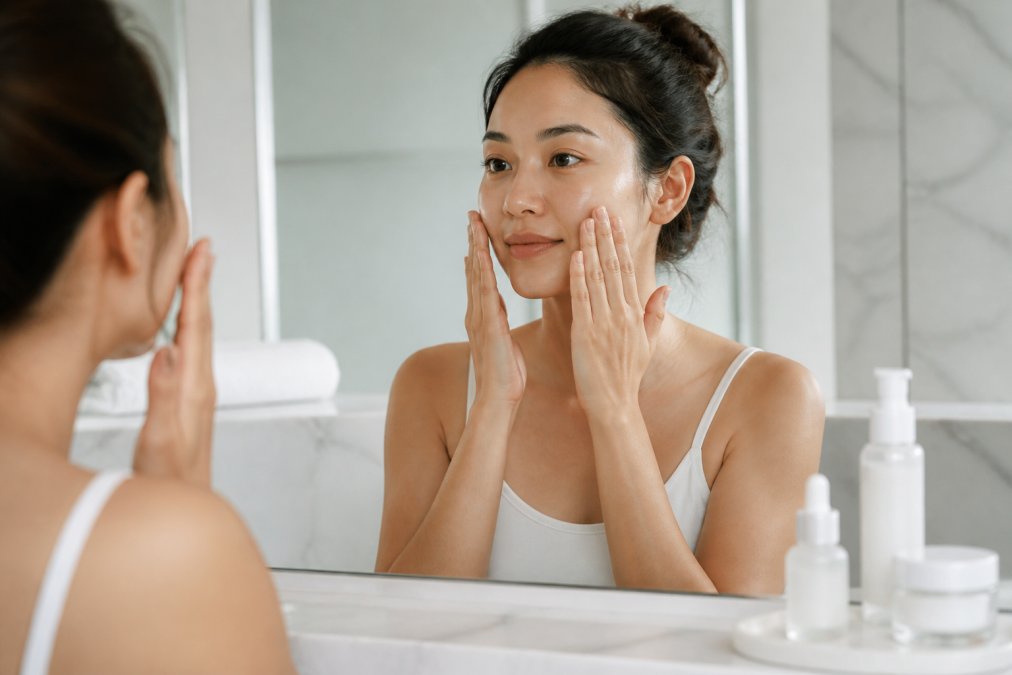
Start with a clean, damp face (not soaking wet, but with moisture still present from cleansing). Dispense a pea-sized amount and warm it between your fingertips. Apply using gentle pressing motions rather than rubbing. Let it absorb for 30-60 seconds before moving to the next step. Consistency matters more than quantity, apply twice daily for 4-6 weeks to see meaningful barrier repair.
Step 3: Layer with a Moisture Seal
Apply your moisturizer immediately after the serum absorbs to create a seal that locks everything in. Choose a moisturizer formulated for sensitive or damaged skin, free of fragrance, essential oils, and strong actives. For nighttime, you can use a richer moisturizer or barrier cream. For daytime, stick with something lightweight enough to layer under sunscreen. If your barrier is severely compromised, consider adding a facial oil as the final step.
Step 4: Avoid Common Irritants
Use lukewarm water instead of hot, which opens pores and strips oils. Avoid harsh physical scrubs and washcloths. Fragrance, essential oils, and alcohol are irritants to compromised skin. Vitamin C serums, retinol, and AHAs are too strong right now. Environmental irritants matter too, extreme heat, cold, and low humidity stress a compromised barrier. Use a humidifier if your environment is dry.
Timeline: How Long Barrier Repair Takes
Most people see initial improvements within 1-2 weeks. The burning and stinging sensation typically eases first, followed by a reduction in visible redness. Meaningful structural repair takes 4-6 weeks of consistent care. Full barrier recovery, where your skin returns to baseline resilience and can tolerate active ingredients again, typically takes 8-12 weeks. Mild compromise might heal in 4 weeks, while severe damage may take 12+ weeks. Skin conditions like eczema or rosacea complicate recovery and may require longer timelines or professional dermatological support.
Common Mistakes to Avoid
The biggest mistake is abandoning the repair process too early. Improvement happens gradually, and many people assume their barrier is healed after 2-3 weeks when it's actually still fragile. Reintroducing actives or exfoliants too soon creates setbacks that extend recovery by weeks.
Another common error is choosing the wrong serum texture or formula. Overly occlusive serums trap heat and bacteria against sensitive skin. Serums with high alcohol content or fragrance damage the barrier further. Neglecting the moisture seal step means hydration evaporates, defeating the purpose. Finally, many people continue using products that irritate their barrier while trying to repair it, such as vitamin C serums, retinol, or exfoliating acids.
Repairing a damaged skin barrier requires patience and consistency, but the results are worth the effort. Your skin will feel more resilient, look more radiant, and tolerate active ingredients better once the barrier is fully healed. The best barrier repair serum for redness depends on your specific skin type and barrier severity, but the principles remain consistent: prioritize ceramides for lipid replenishment, include anti-inflammatory ingredients like niacinamide or centella asiatica, and pair your serum with a quality moisturizer to seal in hydration.
E'yn Veil No. 2 delivers professional-grade barrier repair without heaviness, making it an excellent choice for anyone seeking lasting results across all skin types. If budget is your primary concern, Aveeno's triple oat serum provides meaningful soothing at an accessible price point. For mature skin wanting both barrier repair and anti-aging benefits, Biossance's plumping serum addresses multiple concerns simultaneously. Whichever serum you choose, commit to a simplified routine for 4-6 weeks and resist reintroducing actives before your barrier is truly ready. Start with dermatological guidance on barrier repair to understand your specific barrier damage, then select a serum formulated for your skin type. Your barrier will thank you with visibly calmer, more hydrated, and genuinely healthier skin.
Frequently Asked Questions
What ingredients should I look for in a barrier repair serum for redness?
Look for ceramides, which are skin-identical lipids that rebuild your barrier. Niacinamide reduces inflammation and supports barrier function. Centella asiatica (cica) and allantoin calm irritation. Hyaluronic acid and polyglutamic acid provide hydration without heaviness. Peptides support skin recovery. Avoid alcohol denat and fragrance, which can trigger redness in compromised barriers.
How long does it take for a barrier repair serum to work?
Most people notice reduced redness and improved hydration within 1-2 weeks of consistent use. Visible plumping and smoother texture appear within 3-7 days with serums like E'yn Veil No. 2. Full barrier recovery typically takes 4-6 weeks. Results depend on severity of damage and consistency of application, use morning and evening for best results.
Can I use a barrier repair serum if my skin is already oily?
Yes. Lightweight, milky-textured serums like E'yn Veil No. 2 and Aveeno Calm + Restore absorb quickly without leaving shine. These formulas hydrate without occlusion, so they won't make oily skin greasier. The key is choosing a serum with hyaluronic acid and squalane rather than heavy oils. Pair with a lightweight moisturizer to lock in hydration.
How does a barrier repair serum differ from a moisturizer?
Serums are concentrated, lightweight formulas that deliver active ingredients deep into skin. They repair and rebuild barrier function with specific ingredients like ceramides and peptides. Moisturizers seal hydration into skin but don't actively repair damage. For compromised barriers, use a serum first, then apply a moisturizer like E'yn Veil No. 3 to lock in benefits and strengthen protection.
What should I avoid if I have redness and a damaged barrier?
Skip physical exfoliants, strong acids (AHAs/BHAs), retinol, and vitamin C serums until your barrier recovers. Avoid products with fragrance, essential oils, and alcohol denat, which trigger irritation. Don't use hot water to cleanse. Pause any actives and focus on hydration and barrier repair for 4-6 weeks. Once redness subsides, gradually reintroduce other products one at a time.
This article was written using GrandRanker