
The Ordinary Alternatives for Barrier Repair
Table of Contents
- Why Seek The Ordinary Alternatives for Barrier Repair
- Signs of a Damaged Skin Barrier
- Key Ingredients for Barrier Repair
-
Top Barrier Repair Alternatives Compared
- E'yn Veil No. 2: Lightweight Hydration Without Grease
- Stratia Liquid Gold: The Three-Lipid Powerhouse
- Paula's Choice Omega+ Complex Serum: Fatty Acid Replenishment
- CeraVe Moisturizing Cream: Accessible and Dermatologist-Backed
- Dr. Jart+ Ceramidin Cream: Intensive 5-Cera Complex
- Avène Cicalfate+: Postbiotic Restoration
- How to Fix a Damaged Skin Barrier
- Ceramide-Rich Serums for Skin Barrier Strength
- Ingredients to Avoid During Barrier Repair
- Post-Repair Maintenance and Long-Term Barrier Health
Last Updated: August 12, 2026
Why Seek The Ordinary Alternatives for Barrier Repair
The Ordinary has built a reputation for affordable, ingredient-focused skincare, but it's not the only option worth considering. At E'yn Skincare, we understand that barrier repair demands precision: you need ceramides, humectants, and soothing actives working together, not a one-note solution.
A damaged skin barrier can't tolerate trial and error. You need products with proven ingredient combinations: ceramides paired with cholesterol and fatty acids, hyaluronic acid layered with panthenol, and actives that calm inflammation without triggering more irritation. This guide breaks down what barrier repair actually requires, which alternatives deliver real results, and how to integrate them into a routine that won't set your recovery back.
Signs of a Damaged Skin Barrier
Your skin barrier is your first line of defense against environmental stressors, dehydration, and irritation. When it's compromised, the symptoms are unmistakable: visible redness and persistent irritation, tightness even after moisturizing, extreme dehydration, and stinging sensations when applying gentle products.
Transepidermal water loss accelerates when the barrier weakens, meaning moisture evaporates faster than normal. This creates a vicious cycle: the more dehydrated your skin becomes, the more compromised the barrier gets. You might also notice increased sensitivity to actives like retinol or vitamin C, unexplained breakouts, or a sandpaper-like texture.
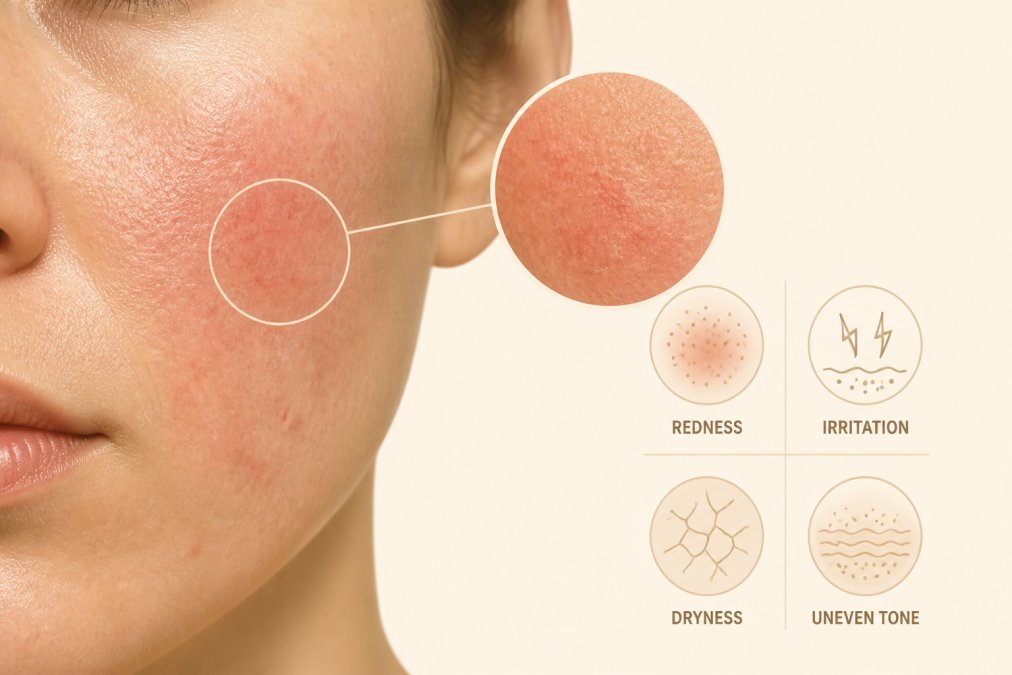
The good news is that these signs are reversible. Barrier repair isn't about adding more products, it's about choosing the right ones with the right ingredients working in concert.
Key Ingredients for Barrier Repair
Successful barrier repair relies on three categories of ingredients working together.
Ceramides and Lipid Replenishment
Ceramides are the structural lipids that hold your skin barrier together. Your skin naturally contains ceramides 1, 3, and 6-II, these are the exact types you want in your products. Cholesterol and fatty acids work alongside ceramides to restore the lipid matrix. This three-part foundation mimics your skin's natural barrier structure. Products that include all three, like Stratia Liquid Gold, offer more comprehensive barrier support than those with ceramides alone.
Hyaluronic Acid and Humectants
Hyaluronic acid is a humectant that draws moisture into your skin and holds it there. During barrier repair, humectants are crucial because they support hydration while your barrier rebuilds its lipid structure. Panthenol functions as both a humectant and an occlusive, making it particularly valuable during barrier repair because it addresses both the moisture-loss problem and the barrier-function problem simultaneously.
Panthenol and Soothing Actives
Your damaged barrier needs anti-inflammatory support. Panthenol reduces redness and irritation while supporting barrier function. Centella asiatica (cica) calms inflammation, reduces redness, and supports skin healing at a cellular level. Niacinamide strengthens barrier function and reduces inflammation when included at effective concentrations.
The most effective barrier repair products layer these ingredients strategically: ceramides and lipids as the foundation, humectants for hydration, and soothing actives to address the inflammation driving the barrier damage.
Top Barrier Repair Alternatives Compared
E'yn Veil No. 2: Lightweight Hydration Without Grease
E'yn Veil No. 2 combines hyaluronic acid with soothing actives designed to calm sensitivity while delivering lasting hydration. The formula absorbs quickly, making it ideal for layering, a critical advantage when rebuilding a compromised barrier. The serum delivers noticeable improvement in skin texture and reduced redness within the first week for most users. At $32, the concentration of active ingredients and lightweight texture justify the investment.
Pros:
- Visibly plumps and smooths skin texture from first use
- Rebuilds and strengthens the skin's natural moisture barrier
- Delivers deep hydration without heaviness or grease
- Calms sensitivity and reduces redness over time
- Suitable for all skin types, including sensitive and mature skin
Cons:
- None significant; this is a comprehensive barrier repair serum
Stratia Liquid Gold: The Three-Lipid Powerhouse
Stratia Liquid Gold is the gold standard for barrier repair because it contains all three essential lipids, ceramides, cholesterol, and fatty acids, in a formula designed to mimic your skin's natural barrier structure. The inclusion of 4% niacinamide adds anti-inflammatory and barrier-strengthening benefits. At $27 for 1.7 fl oz, it's a smart investment for anyone whose barrier is actively compromised.
Pros:
- Excellent ingredient list for barrier repair (ceramides, cholesterol, fatty acids)
- Helps skin feel stronger and more resilient
- Good for preventing over-exfoliation side effects
- Lightweight despite being a moisturizer
Cons:
- Smaller bottle size depletes relatively quickly
Paula's Choice Omega+ Complex Serum: Fatty Acid Replenishment
Paula's Choice Omega+ Complex Serum emphasizes omega fatty acids (3, 6, and 9), which are critical components of your skin's lipid barrier. The serum also includes ceramides and hyaluronic acid, creating a comprehensive hydration and barrier-support blend. At $42 for 1 fl oz, the concentration of active ingredients makes it worthwhile for those whose barrier damage includes significant lipid depletion.
Pros:
- Lightweight and absorbs well
- Fortifies skin against environmental damage
- Nourishes skin's moisture barrier with omega fatty acids
- Fragrance-free and paraben-free
Cons:
- Can feel pricey for the amount of product (1 fl oz)
CeraVe Moisturizing Cream: Accessible and Dermatologist-Backed
CeraVe Moisturizing Cream is the budget-friendly barrier repair option without sacrificing efficacy. It contains three essential ceramides (1, 3, 6-II), hyaluronic acid, and a clean ingredient list. At $15.97 for 16 oz, the value is exceptional. This cream is dermatologist-developed and widely recommended by skin professionals specifically for barrier repair. The non-comedogenic, fragrance-free formula makes it suitable for all skin types.
Pros:
- Affordable and widely accessible
- Dermatologist-developed and recommended
- Provides long-lasting hydration
- Suitable for the whole family (ages 3+)
Cons:
- Can feel heavy for oily skin types
Dr. Jart+ Ceramidin Cream: Intensive 5-Cera Complex
Dr. Jart+ Ceramidin Cream features a 5-Cera Complex with five different ceramides working together for maximum barrier support. This cream also includes panthenol for soothing and additional hydration. At $42 for just 0.77 oz, the concentration of active ingredients is genuinely high. This cream is specifically formulated for severely compromised barriers and works best as an intensive treatment rather than a daily moisturizer.
Pros:
- Deeply hydrating and nourishing
- Helps prevent moisture loss and protect against environmental stressors
- Easily absorbed despite richness
- Intensive 5-Cera Complex for maximum barrier support
Cons:
- Higher price point
- Small size (0.77 oz) depletes quickly
Avène Cicalfate+: Postbiotic Restoration
Avène Cicalfate+ introduces postbiotics, byproducts of beneficial bacteria that have been shown to strengthen skin barrier function and reduce inflammation. The formula also includes copper-zinc sulfate complex and Avène Thermal Spring Water. At $26 for 1.3 fl oz, this cream is particularly valuable if your barrier damage includes significant inflammation or repeated irritation cycles.
Pros:
- Clinically proven to accelerate skin recovery
- Helps maintain proper hydration levels for skin restoration
- Versatile for various skin 'SOS' situations
- Suitable for infants, children, and adults
Cons:
- May feel heavy for those preferring lighter creams
How to Fix a Damaged Skin Barrier
Barrier repair requires a strategic approach. Start by simplifying your routine ruthlessly. Remove any active ingredients, retinol, vitamin C, acids, high-concentration niacinamide, until your barrier has recovered. Your routine should consist of a gentle cleanser, a hydrating serum or essence, a barrier repair moisturizer, and sunscreen during the day.
Apply products to damp skin. After cleansing, while your skin is still slightly damp, apply your hydrating serum or barrier repair product. Damp skin absorbs hydrating ingredients more effectively. Pat gently, never rub, and allow each layer to absorb before applying the next.
Layer strategically. If you're using both a serum and a cream, apply the serum first, then the moisturizer. The serum delivers hydrating actives, and the moisturizer seals them in with occlusive ingredients.
Consistency matters more than intensity. Use your barrier repair products twice daily, every single day, for at least 4-6 weeks. Many people see initial improvement within 1-2 weeks, but full recovery typically takes 4-8 weeks depending on severity.
Avoid hot water and harsh cleansing. Use lukewarm water and a gentle, non-foaming cleanser. Avoid physical exfoliation entirely during barrier repair.
Ceramide-Rich Serums for Skin Barrier Strength
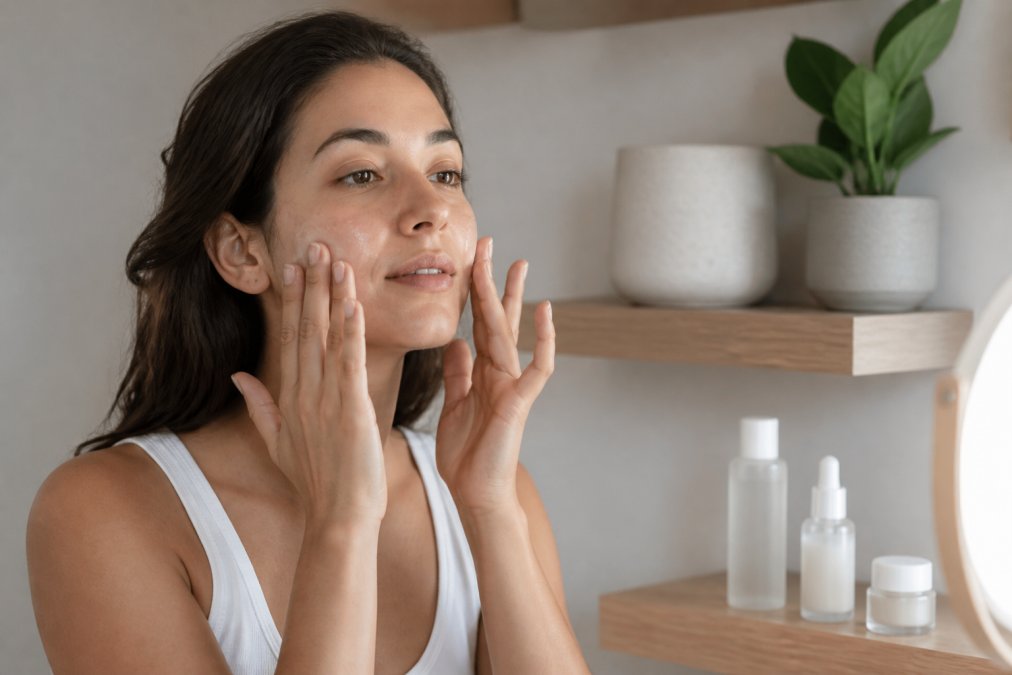
Ceramide-rich serums offer concentrated barrier support in a lightweight format that works well for layering. E'yn Veil No. 2 delivers ceramides alongside humectants and soothing actives in a serum format that absorbs completely. Paula's Choice Omega+ Complex Serum emphasizes omega fatty acids, which are equally important for barrier function.
Serums work best as the first hydrating step in your routine, applied to damp skin immediately after cleansing. Follow with a barrier repair moisturizer to seal in the hydration and provide occlusive support.
Ingredients to Avoid During Barrier Repair
When your barrier is compromised, certain ingredients will make things worse.
Skip active ingredients entirely. Retinol, vitamin C, AHAs, BHAs, and other exfoliating or potentially irritating actives should be eliminated during barrier repair. These ingredients can accelerate barrier damage and trigger inflammation that undoes your repair progress.
Avoid high-concentration niacinamide. While niacinamide at 4-5% supports barrier function, concentrations above 10% can be irritating to compromised skin.
Skip fragrance and essential oils. Fragrance is inherently irritating to compromised barriers. Stick with fragrance-free products during barrier repair.
Avoid sulfate cleansers and anything that foams aggressively. Sulfates strip lipids from your skin. Use gentle, non-foaming cleansers exclusively.
Don't use products with high alcohol content. Alcohol is drying and irritating. Read ingredient lists carefully; alcohol should not appear in the first five ingredients.
Post-Repair Maintenance and Long-Term Barrier Health
Once your barrier has recovered, continue using barrier-supporting ingredients. Ceramides, hyaluronic acid, and panthenol aren't just repair ingredients, they're maintenance ingredients. Incorporate them into your regular routine to keep your barrier strong.
Introduce actives gradually. After 6-8 weeks of barrier repair, you can start reintroducing actives at low concentration, used just 1-2 times per week. Monitor your skin carefully for signs of irritation.
Use sunscreen daily without exception. A daily broad-spectrum SPF 30 or higher is non-negotiable for long-term barrier health.
Avoid over-exfoliation. Limit physical exfoliation to once weekly at most. Chemical exfoliation should be used 1-2 times per week maximum, never daily.
Stay hydrated and manage stress. Your barrier's health reflects your overall skin health, which is influenced by hydration, sleep, and stress levels. Drink adequate water, prioritize sleep, and manage stress through exercise or meditation.
Monitor your skin's response to products carefully. If a product causes stinging, redness, or increased sensitivity, discontinue it immediately.
Barrier repair requires patience and the right product combination. Whether you choose E'yn Veil No. 2, Stratia Liquid Gold, or another alternative, success depends on consistent use and avoiding additional irritation. Start with a simplified routine, layer strategically, and give your skin the 4-8 weeks it needs to recover. Once your barrier is strong again, maintaining that strength through smart product choices and lifestyle habits becomes your priority. Get started with E'yn Skincare's complete barrier repair ritual and experience visibly plumper, stronger skin that actually retains hydration and feels resilient against environmental stressors.
Frequently Asked Questions
What are the best alternatives to The Ordinary for barrier repair?
Several products outperform The Ordinary for barrier repair. E'yn Veil No. 2 delivers visible plumping and barrier strengthening without grease at $32. Stratia Liquid Gold combines ceramides, cholesterol, and fatty acids for $27. CeraVe Moisturizing Cream offers dermatologist-backed barrier repair for under $16. Paula's Choice Omega+ Complex Serum ($42) replenishes skin with omega fatty acids and ceramides. Each targets different skin types and budgets while addressing dehydration, redness, and compromised barrier function.
How long does it take to repair a damaged skin barrier?
Most users see initial improvements in 1-2 weeks with consistent use of barrier repair products. Visible reduction in redness and sensitivity typically appears within 3-4 weeks. Full barrier recovery and restoration of skin elasticity generally takes 4-8 weeks, depending on the severity of damage and your skin's natural recovery rate. Consistent use of ceramide-rich serums for skin barrier and avoiding irritating ingredients accelerates healing.
What ingredients should I look for in a barrier repair serum?
The most effective barrier repair ingredients include ceramides (especially 1, 3, and 6-II), hyaluronic acid for hydration, panthenol for soothing, niacinamide for inflammation reduction, and cholesterol or fatty acids for lipid replenishment. Centella asiatica and soothing botanicals calm sensitivity. Look for products with multiple barrier-supporting ingredients rather than single actives. E'yn Veil No. 2 combines hyaluronic acid with barrier-strengthening technology, while Stratia Liquid Gold uniquely includes all three lipid barrier components in one formula.
Can I use a barrier repair serum if I have oily or acne-prone skin?
Yes, lightweight, non-comedogenic formulas work well for oily and acne-prone skin. E'yn Veil No. 2 delivers deep hydration without heaviness or grease, making it suitable for all skin types. The key is choosing serums over heavy creams and looking for non-comedogenic labels. Niacinamide, found in many barrier repair products, actually helps regulate sebum production. A compromised barrier can trigger excess oil production as skin tries to compensate for moisture loss, so repair may actually improve oily skin over time.
Are cheaper barrier repair products as effective as premium brands?
Price doesn't always correlate with effectiveness. CeraVe Moisturizing Cream ($15.97) contains the same three essential ceramides as products costing three times more. Stratia Liquid Gold ($27) includes all three barrier lipids at a mid-range price. However, premium brands like E'yn Veil No. 2 ($32) and Dr. Jart+ Ceramidin Cream ($42) often include additional soothing actives, peptides, or advanced delivery systems. The best choice depends on your specific barrier damage, skin type, and whether you need additional benefits like anti-aging or sensitivity reduction.
This article was written using GrandRanker