
Professional Skincare for Sensitive Skin: 9 Expert-Approved Products
Table of Contents
- How to Identify Sensitive Skin and When to Seek Professional Solutions
- What Makes Professional Skincare for Sensitive Skin Different
- Gentle Cleansing Routines: The Foundation of Professional Care
- Dermatologist-Recommended Sensitive Skin Products for Daily Use
- Skincare Ingredients for Reactive Skin: What Science Supports
- Hydration and Barrier Repair: Professional Serums and Moisturizers
- Sun Protection and Anti-Redness: Professional Treatments for Sensitive Skin
- Barrier Repair Skincare Professional Protocols: Step-by-Step Routine
Last Updated: July 28, 2026
Professional skincare for sensitive skin requires a thoughtful approach that balances effectiveness with gentleness. Many people struggle with reactive skin, redness, and irritation when using standard products, not realizing that professional-grade formulations exist specifically to address these concerns. At E'yn Skincare, we understand that sensitive skin isn't a limitation, it's a signal that your barrier needs targeted support. This guide covers the best professional skincare for sensitive skin products and protocols that dermatologists recommend, along with the specific ingredients and routines that calm reactivity without compromise.
What separates professional skincare for sensitive skin from standard drugstore alternatives is the formulation philosophy: professional products prioritize barrier repair, hypoallergenic standards, and clinical testing over fragrance and trendy ingredients.
How to Identify Sensitive Skin and When to Seek Professional Solutions
Sensitive skin shows itself through consistent patterns: redness that lingers after cleansing, stinging sensations when applying products, visible inflammation after sun exposure, or a tight, uncomfortable feeling even after moisturizing. True sensitivity is a chronic state where your skin barrier has become compromised, leaving nerve endings exposed and prone to reaction.
Professional solutions become necessary when over-the-counter products consistently trigger reactions. A dermatologist can assess whether your sensitivity stems from a damaged barrier, contact dermatitis, rosacea, or genetic predisposition. Professional skincare products are formulated with this understanding, using clinical concentrations of soothing and barrier-repair ingredients that standard products don't include.
What Makes Professional Skincare for Sensitive Skin Different
Professional formulations differ fundamentally in their ingredient selection, concentration levels, and testing protocols. These products undergo dermatologist testing and are often available exclusively through skincare professionals or licensed retailers. The barrier-repair focus sets professional skincare apart: while standard moisturizers add surface hydration, professional formulations rebuild the lipid barrier itself using ceramides, cholesterol, and fatty acids in precise ratios.
Hypoallergenic Formulations and Dermatologist-Tested Standards
Hypoallergenic formulations exclude the most common irritants and allergens: fragrance, essential oils, common preservative allergens, and synthetic dyes. Professional brands pursuing hypoallergenic status test formulations on sensitive skin populations and document results.
Dermatologist-tested means a dermatologist evaluated the formula for safety and efficacy on sensitive skin, including assessments of redness reduction, barrier function improvement, and tolerance in compromised skin. American Academy of Dermatology guidance on sensitive skin care emphasizes that professional products should be non-comedogenic, fragrance-free, and formulated without common irritants like sulfates and alcohol.
Key Ingredients That Calm and Repair Without Irritation
Professional skincare for sensitive skin centers on barrier-repair actives, soothing botanicals, and antioxidant protection. Ceramides form the foundation of barrier repair, naturally present in your skin's outer layer at pharmaceutical-grade concentrations. Hyaluronic acid provides deep hydration without heaviness, while niacinamide (vitamin B3) calms redness and strengthens barrier function simultaneously. These three ingredients appear in nearly every professional sensitive-skin serum because they're backed by extensive clinical research and rarely trigger reactions.
Gentle Cleansing Routines: The Foundation of Professional Care
Cleansing is where most sensitive skin routines fail. Harsh surfactants strip the barrier, sulfates disrupt skin pH, and fragrance adds unnecessary irritation. Professional cleansers use mild, sulfate-free surfactants that remove impurities without disrupting the barrier's delicate balance.
The best approach is a gentle cream or milk cleanser applied with lukewarm water and minimal friction. Pat dry rather than rubbing; even mechanical toweling can trigger inflammation in reactive skin. Professional cleansers are pH-balanced, typically between 4.5 and 5.5, matching your skin's natural pH and preventing irritation that alkaline cleansers cause.
Avoid double cleansing if you have truly sensitive skin. One gentle cleanse removes makeup and daily grime without over-stripping. If you wear heavy makeup, use a professional makeup remover first, then follow with your gentle cleanser.
Dermatologist-Recommended Sensitive Skin Products for Daily Use
1. PCA SKIN Creamy Cleanser: Gentle Impurity Removal
This cleanser removes makeup and impurities without the stripping sensation that leaves sensitive skin feeling tight. The creamy texture protects the barrier from mechanical irritation. At $42.00, it excludes sulfates, dyes, and fragrance while using gentle botanical extracts to soothe while cleansing.
2. AlumierMD SensiCalm Cleanser: Barrier Repair with Ceramides
At $52.00, this redness-specific formula includes ceramides to lock in moisture, niacinamide to calm inflammation, and sunflower seed oil for barrier support. The formula is paraben-free, sulfate-free, and dye-free. Yucca root extract provides natural, mild cleansing power without irritation.
3. Obagi Nu-Derm Gentle Cleanser: Clinical Sensitivity Relief
Clinically proven for sensitive skin at $55.00, this formula removes impurities without irritation using mild cleansing agents that respect the barrier. It's been tested extensively on reactive populations, making it suitable for post-procedure skin or severely compromised barriers.
4. Glytone Mild Cream Cleanser: Redness-Focused Formula
At $36.00, this dermatologist-developed cleanser targets redness and sensitivity with agastache mexicana flower extract for soothing benefits. The fragrance-free, paraben-free, non-comedogenic formula offers excellent price-to-efficacy ratio, though availability is limited to professional retailers.
Skincare Ingredients for Reactive Skin: What Science Supports
Professional formulations rely on a specific ingredient framework proven to calm reactivity without causing irritation.
Soothing Natural Ingredients: Aloe, Chamomile, and Colloidal Oatmeal
Aloe vera contains polysaccharides that soothe inflammation and provide mild hydration. Professional products use aloe extract rather than whole juice, concentrating active compounds while removing irritating latex. Chamomile reduces inflammatory mediators in the skin through standardized extracts that ensure consistent efficacy without essential oil irritation. Colloidal oatmeal is both soothing and barrier-protective, binding to skin while reducing inflammation, making it ideal for rosacea-prone or eczema-prone sensitive skin.
Barrier-Strengthening Actives: Ceramides, Hyaluronic Acid, and Niacinamide
Ceramides comprise about 50% of the barrier's composition. Professional formulations include ceramide NP, ceramide AP, and ceramide EOP in pharmaceutical-grade concentrations, actually rebuilding the barrier rather than just adding surface hydration.
Hyaluronic acid is a humectant that draws water into the skin at concentrations between 1-2%. Professional products often use a blend of molecular weights for comprehensive hydration. Niacinamide (vitamin B3) at 4-5% concentrations reduces inflammation, strengthens barrier function, and increases ceramide production in your skin, amplifying barrier repair when combined with topical ceramides.
Ingredients to Avoid: Sulfates, Fragrances, and Common Irritants
Sulfates strip oils and disrupt the barrier's lipid composition and pH. Fragrance, including "natural" essential oils, irritates sensitive skin. Alcohol denat is a solvent that leaves skin feeling tight and irritated. Dyes and colorants serve no functional purpose and add unnecessary irritation risk. Professional formulations exclude these entirely.
Hydration and Barrier Repair: Professional Serums and Moisturizers
Serums deliver concentrated active ingredients in lightweight textures ideal for sensitive skin. Professional serums absorb quickly without leaving residue, allowing you to layer additional products without pilling.
5. iS Clinical Hydra-Cool Serum: Intensive Hydration with Antioxidants
At $108.00, this serum delivers intensive hydration through hyaluronic acid while providing soothing benefits from botanical extracts. The lightweight, oil-free formula suits combination and oily skin types that struggle with sensitivity. Antioxidant protection is critical for sensitive skin because oxidative stress amplifies inflammation.
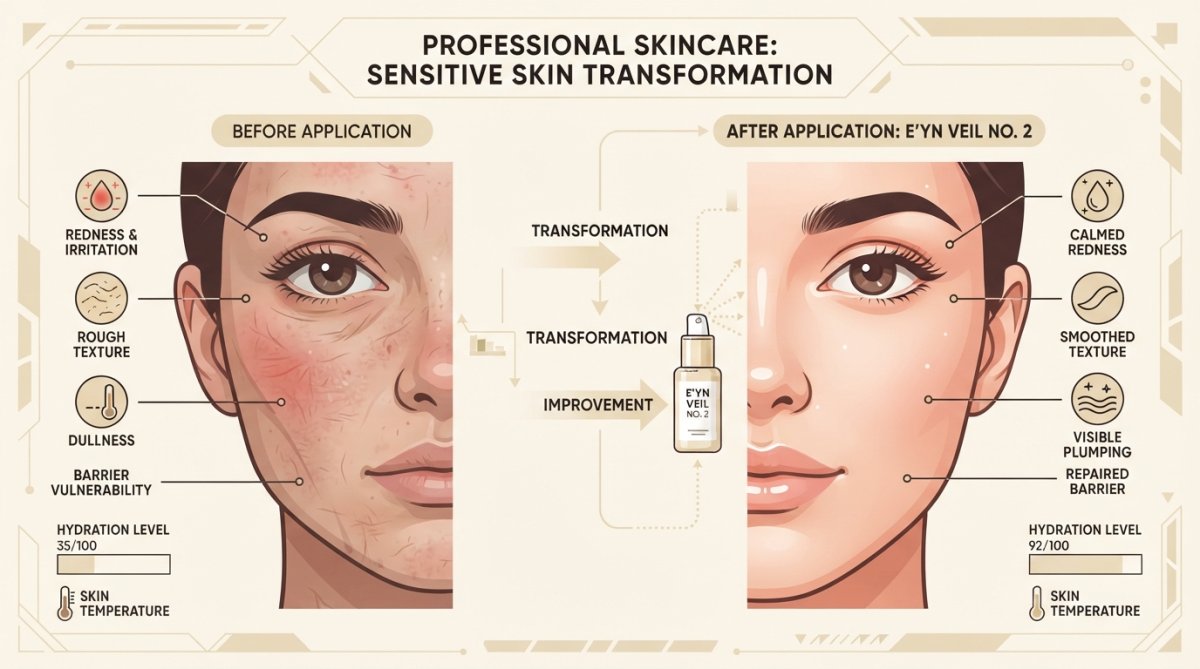
6. E'yn Veil No. 2: Deep Barrier Repair and Plumping
E'yn Skincare's hero serum works beneath the surface to visibly plump skin, smooth texture, and calm sensitivity. This formulation delivers deep, lasting hydration without heaviness, suitable for all skin types, including sensitive and mature skin. The serum rebuilds and strengthens the skin's natural moisture barrier while reducing the appearance of redness over time. The softened look of fine lines caused by dehydration improves noticeably within the first week of consistent use.
7. Environ Vita-Antioxidant AVST Moisturiser 1: Gentle Vitamin A Introduction
At $96.00, this moisturizer is the first step in Environ's progressive vitamin A system for people new to vitamin A or those with sensitive skin. It includes low concentrations of vitamins A and C alongside antioxidants and botanicals. The step-up system approach is valuable for sensitive skin because it allows gradual acclimatization to vitamin A without triggering barrier reactions.
Sun Protection and Anti-Redness: Professional Treatments for Sensitive Skin
Sun protection is non-negotiable for sensitive skin because UV exposure amplifies inflammation and redness. Professional sunscreens use mineral filters (zinc oxide and titanium dioxide) rather than chemical filters, which can irritate reactive skin.
8. EltaMD UV Clear Broad-Spectrum SPF 46: Mineral Protection for Reactive Skin
At $41.00-$43.00, this dermatologist-recommended sunscreen protects sensitive, acne-prone, and rosacea-prone skin with mineral filters. The inclusion of niacinamide reduces the appearance of blemishes while hyaluronic acid maintains hydration. The fragrance-free, oil-free, paraben-free, and noncomedogenic formula suits sensitive skin prone to congestion. Available in tinted and untinted options.
9. Revision Skincare Soothing Facial Rinse: pH-Balanced Calming Toner
At $30.00-$40.00, this alcohol-free toner hydrates and refreshes sensitive skin while preparing it for subsequent products. Plant extracts soothe and calm while balancing skin's pH after cleansing. The gentle, non-drying formula reduces redness and discomfort while supporting barrier function and enhancing product absorption.
Barrier Repair Skincare Professional Protocols: Step-by-Step Routine
Professional skincare for sensitive skin follows a specific sequence designed to support barrier function at each step.
| Step | Product Type | Function | Frequency |
|---|---|---|---|
| 1 | Gentle cleanser | Remove impurities without stripping | Twice daily |
| 2 | pH-balancing toner | Restore pH and prep skin | Twice daily |
| 3 | Hydrating serum | Deliver moisture and soothing actives | Twice daily |
| 4 | Barrier-repair moisturizer | Strengthen lipid barrier | Twice daily |
| 5 | Sunscreen (AM only) | Protect from UV-induced inflammation | Daily AM |
| 6 | Patch test new products | Assess tolerance before full integration | Before adding any new product |
Morning Routine for Sensitive Skin
Start with a gentle cleanser applied to damp skin with lukewarm water using gentle circular motions. Rinse thoroughly and pat dry without rubbing. Follow with the pH-balancing toner applied with a soft cotton pad or your hands, waiting 30-60 seconds for absorption.
Apply your hydrating serum using gentle pressing motions, allowing 1-2 minutes for absorption. Follow with your barrier-repair moisturizer while your skin is still slightly damp, locking in hydration with gentle pressing motions. Finish with professional sunscreen applied generously, waiting 15 minutes before applying makeup or going outside.
Evening Routine for Deep Repair
The evening routine is similar but allows for more intensive treatment. Start with the same gentle cleanser, using a dedicated makeup remover first if needed. Follow with the pH-balancing toner and hydrating serum using the same application method. Apply your barrier-repair moisturizer using gentle pressing motions, applying a slightly thicker layer since there's no makeup application following.
If using a vitamin A product like the Environ moisturizer, incorporate it after your hydrating serum as your final step. Start with 2-3 nights per week and gradually increase frequency as your skin builds tolerance.
Patch Testing Protocols Before Full Integration
Patch testing is essential for sensitive skin. Choose a small area behind your ear or on your inner arm and apply a small amount of the new product twice daily for 3-5 days. Watch for redness, stinging, swelling, or unusual reactions. If no reaction occurs after 5 days, cautiously introduce the product to your face, starting with a small amount on one cheek and gradually expanding over several days.
If a reaction occurs, discontinue immediately and wait 1-2 weeks for your skin to recover before trying another product. For products with active ingredients like vitamin A or vitamin C, patch testing is especially important because these can cause irritation during adjustment.
The journey to calm, healthy sensitive skin requires patience and commitment to barrier repair over quick fixes. Professional skincare for sensitive skin delivers results because it addresses the root cause, a compromised barrier, rather than just treating symptoms. E'yn Skincare's approach to deep hydration and barrier repair, combined with the professional products outlined above, provides a complete system for restoring skin health. Start with a gentle cleanser, add a barrier-repair serum like E'yn Veil No. 2, and follow with a protective moisturizer and sunscreen. Within 4-6 weeks of consistent use, you'll notice reduced redness, improved texture, and a more resilient barrier that no longer reacts to every product you apply.
Frequently Asked Questions
What makes professional skincare for sensitive skin different from over-the-counter products?
Professional skincare for sensitive skin is formulated with higher concentrations of active ingredients, stricter hypoallergenic standards, and dermatologist-tested formulations. These products typically exclude common irritants like sulfates, synthetic fragrances, and dyes. Professional-grade items often contain barrier-repair ingredients like ceramides, hyaluronic acid, and niacinamide in therapeutic doses. They're designed to address reactive skin at a deeper level, providing visible results while maintaining skin integrity and minimizing irritation risk.
Which skincare ingredients for reactive skin are safest and most effective?
The safest and most effective ingredients for reactive skin include ceramides (which strengthen the lipid barrier), hyaluronic acid (for deep hydration), niacinamide (vitamin B3, which calms redness), and natural soothing agents like colloidal oatmeal, aloe vera, and chamomile. Antioxidants such as vitamin C provide protection without irritation. Avoid sulfates, synthetic fragrances, alcohol, and high concentrations of actives like retinoids or acids if your barrier is compromised. Always patch test new products for 24-48 hours before full application.
How do I know if I need professional facial treatments for rosacea or sensitivity?
Seek professional facial treatments for rosacea or sensitivity when over-the-counter products fail to calm persistent redness, when your skin stings or burns regularly, or when you experience frequent flare-ups triggered by environmental factors or products. A dermatologist can recommend in-office treatments like gentle laser therapy, chemical peels formulated for sensitive skin, or professional extractions that won't compromise your barrier. Professional treatments are especially valuable when your skin barrier is severely compromised and needs expert assessment before proceeding with home care.
What's the difference between budget-friendly and luxury professional skincare for sensitive skin?
Budget-friendly professional products (typically $30-$50) often use effective, proven ingredients like ceramides and hyaluronic acid in solid formulations. Luxury options ($80-$150+) may include higher concentrations of actives, exclusive botanical extracts, or proprietary delivery systems. The key difference isn't always efficacy, it's often packaging, brand positioning, or advanced stabilization technology. For sensitive skin, ingredient safety and your skin's tolerance matter more than price. A $40 ceramide-rich moisturizer can perform as well as a $120 option if both are hypoallergenic and fragrance-free.
How long does it take to see results from professional skincare for sensitive skin?
Most people notice initial hydration and a softened appearance of redness within 1-2 weeks of consistent use. Visible barrier repair, reduced inflammation, and smoother texture typically appear within 4-6 weeks. Some products, like those containing vitamin A, require 8-12 weeks for full benefits as skin acclimates to the ingredient. Patience is essential, rushing to add multiple products or increasing frequency can trigger irritation and delay results. Consistency and proper patch testing are more important than speed when managing sensitive skin.
This article was written using GrandRanker